

 Back

Obtain news and background information about sealing technology, get in touch with innovative products – subscribe to the free e-mail newsletter.

24.04.2018 | Story
When Nothing Works
During 2016, German consumers had to do without electric power for a little more than twelve minutes on average. But what happens if there is a wide-ranging blackout in the era of the energy transition? How do you reboot an electric grid that depends on IT? A German team of researchers is now tackling these issues.


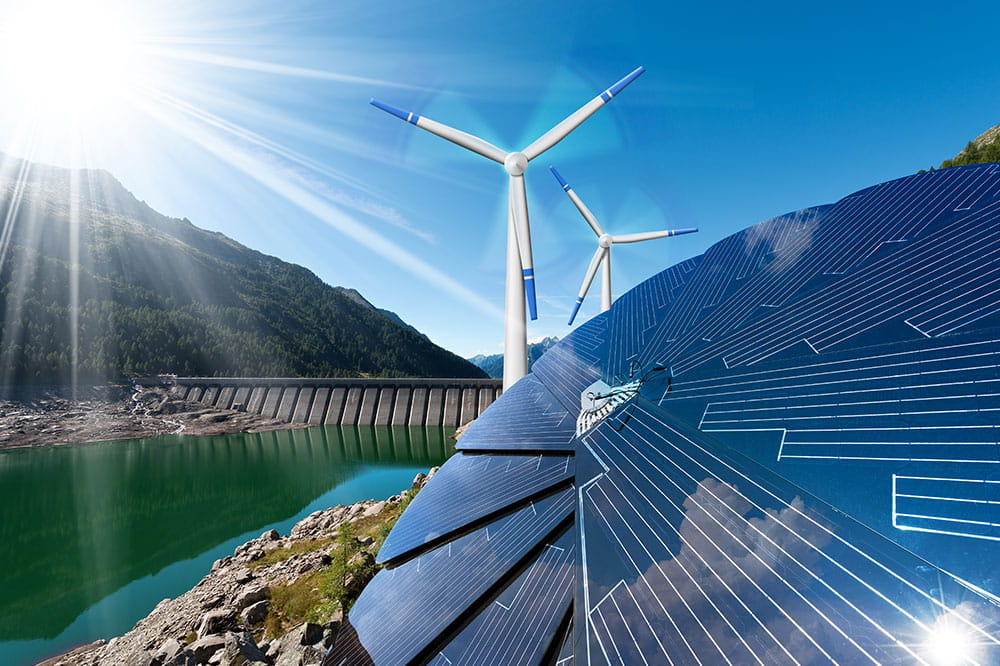
Blackouts have many different causes, including natural disasters and cyberattacks. The energy transition also poses risks: The grid may be more susceptible to disruptions with renewable energy than with conventional generation from large power plants. That’s because energy produced with hydropower, wind turbines or solar cells mostly relies on small facilities that are networked with one another. A disruption in one of them could spread to others in a domino effect, and the likelihood of a blackout would increase.
Energy Transition Complicates “Black Start”
If a steam power plant ever failed in the past, a rotary alternating-current generator would ensure that it could be started up again. Hydropower stations can also restart turbines, and thus large conventional power plants, without electricity. But with the energy transition, the scenario for a so-called “black start” after a large-scale blackout has become much more complicated – not least of all because of the advanced information technology needed for it. In the end, IT is the only way to match the many widely-distributed wind, solar and hydropower stations to the needs of customers. But IT-based smart grids also depend on highly stable electrical grids.
During the summer of 2017, an experiment in northeast Germany pointed to a possible alternative. It succeeded in rebuilding a disconnected electric grid while including a high-performance battery power plant. In the next stage, the battery plant is scheduled to demonstrate its capabilities as renewable energy sources are added.
IT and Energy Systems Must Be Coordinated
In the future, a careful coordination of IT and electric power systems will be a basic requirement for black starts. The systems must be rebuilt and started up in parallel while still interacting with one another dynamically. But the startup of an energy system based on renewable sources – which feature fairly large natural fluctuations – still raises unanswered questions.
Researchers at universities in Passau and Oldenburg will be dealing with them over the next few years. As part of the black-start project, they plan to explore the causes of blackouts in greater depth and highlight possible strategies for carrying out black starts in the future. At the same time, the researchers will continue to work on the approach presented above: resorting to battery power plants as backups.
The focus is on renewable energy at Freudenberg Sealing Technologies. Would you like to learn more?
More news on the subject Renewable Energies
Renewable Energies
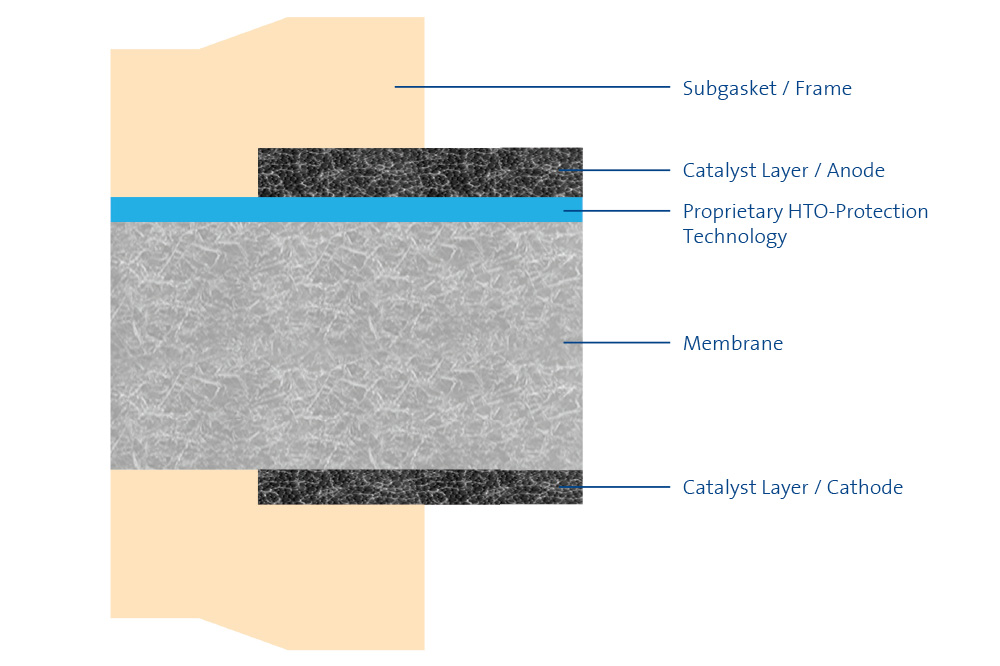
Less Iridium, Greater Efficiency: A New Generation of CCMs for PEM Electrolyzers
From October 20 to 22, 2026, Freudenberg Sealing Technologies will present a new generation of catalyst-coated membranes (CCMs) for PEM electrolysis at the Hydrogen Technology Expo in Hamburg. The membranes require just 0.5 milligrams of iridium per square centimeter and achieve a cell voltage of 1.74 volts at a current density of 3 amperes per square centimeter. An integrated protection technology also limits hydrogen migration to the oxygen side, thereby enhancing operational safety.
Renewable Energies
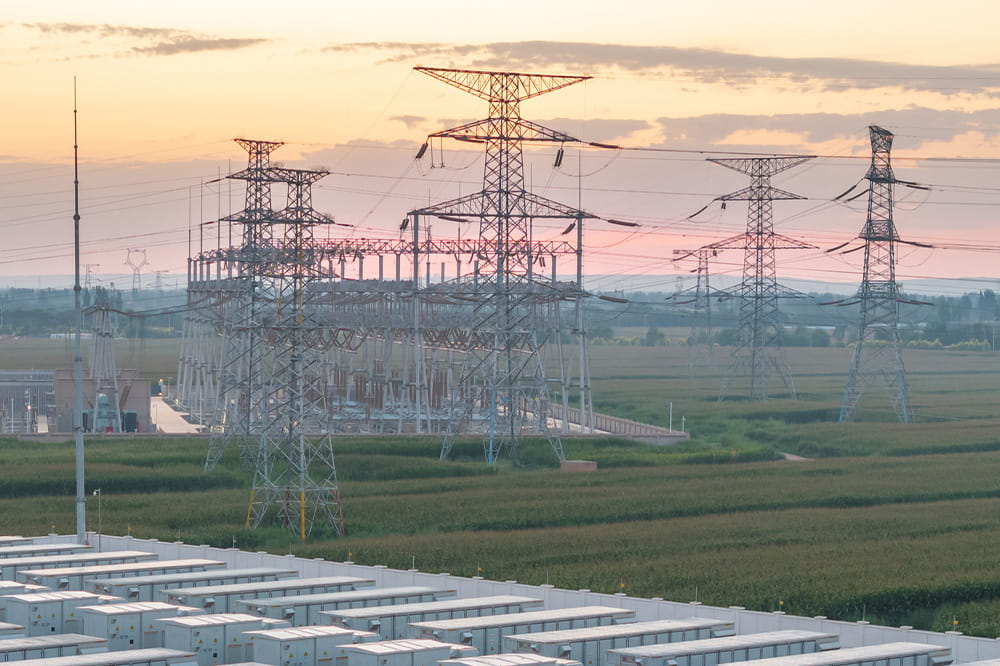
BESS: What are the requirements for seals and safety-relevant components in large-scale battery storage systems?
In the energy mix of the future, battery energy storage systems (BESS) play a key role in decarbonization, grid stability, and sector coupling. But when it comes to tightness, material resistance and service life, which specific requirements characterize the particular environmental conditions of the safety-relevant components needed in this area of renewable energy?
Renewable Energies
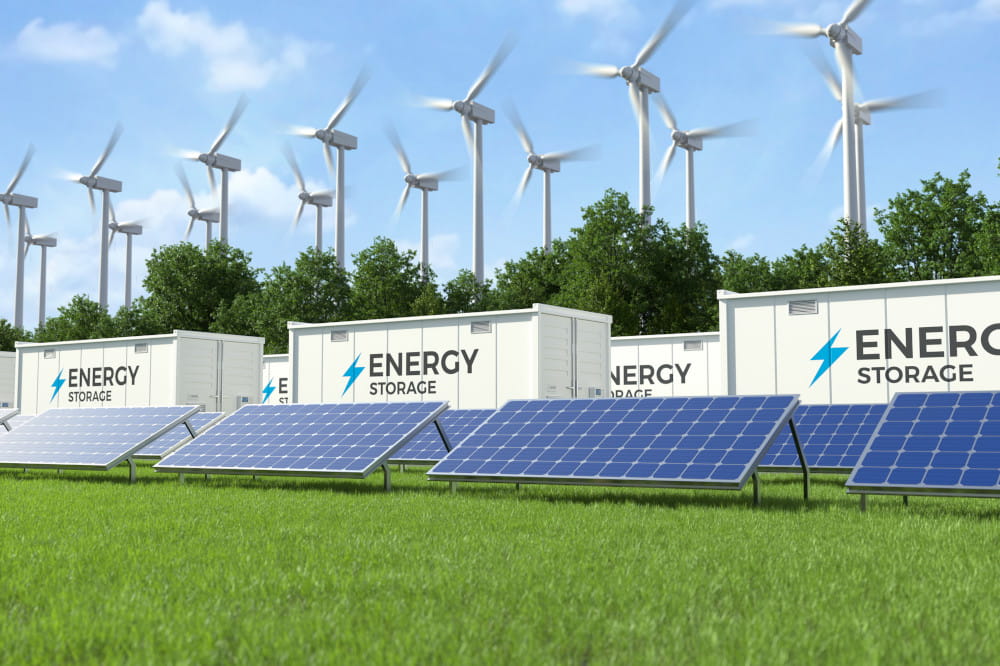
What you need to know
By 2030, 80 percent of the electricity produced in Germany is expected to come from renewable energies. In the “intelligent electricity grids” (smart grids) of the future, energy storage systems are an essential means of absorbing peak loads and ensuring flexibility in terms of space and time. Safety standards are indispensable in this area so that decarbonization can also function across borders. Which legal framework conditions apply where? Here is an overview that does not claim to be exhaustive.
Renewable Energies
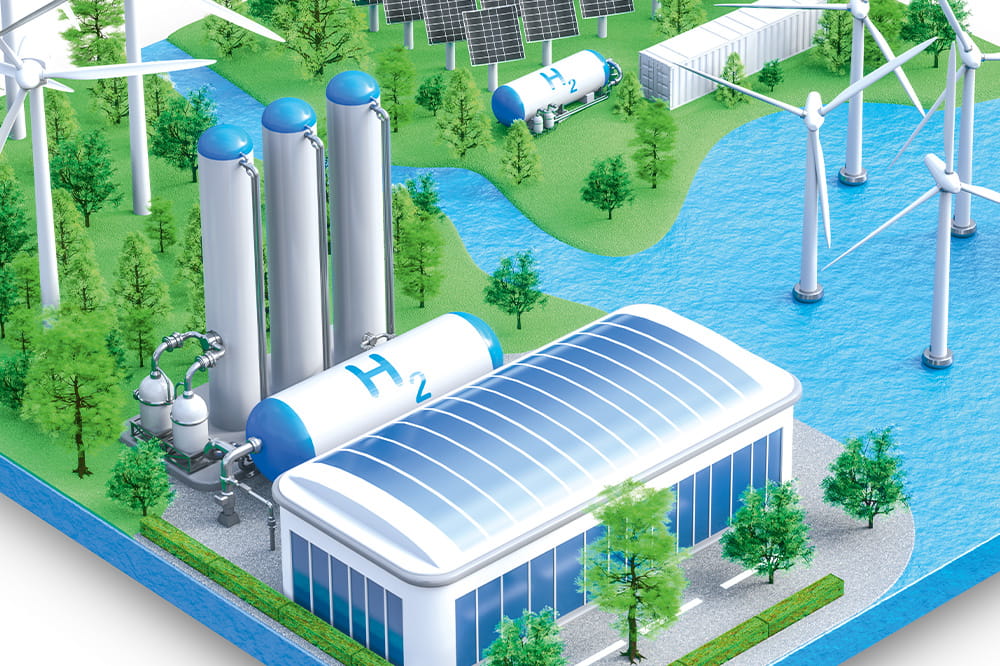
What are the requirements for seals in renewable energies?
The hydrogen economy is experiencing rapid growth and is regarded as a key element of the energy transition. This development is being driven by the pres-sure to decarbonize, ensure energy security and meet the growing demand of the industry. At the same time, increasing technical and regulatory requirements are appearing along the entire hydrogen value chain – and seals are safety-critical components in these processes.
Renewable Energies
Standards and Regulations
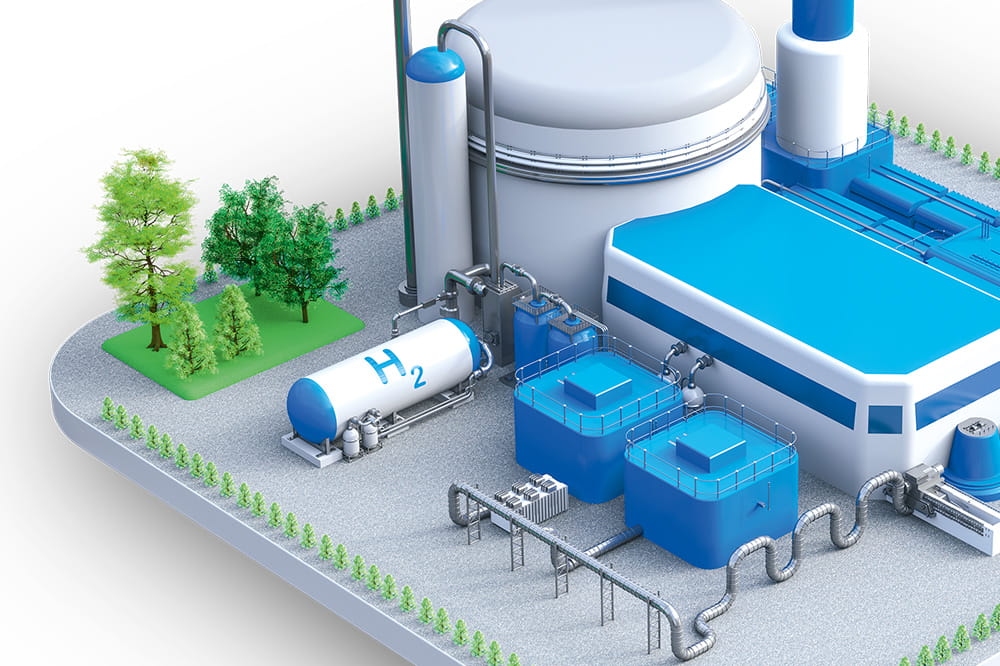
When it comes to hydrogen technologies, the standards landscape is currently undergoing dynamic development. Many standards are being revised or newly developed at this time. In general, global norms and standardization are essential for the hydrogen economy to ensure the integrity and performance of sealing systems under widely varying pressure and temperature conditions.
Renewable Energies
New production methods for seals in the hydrogen and electrolyzers sector
Experimental curiosity is accelerating the development of forward-looking solutions, especially in the energy sector. This inventive spirit also fuels continuous advancement in materials, manufacturing processes and sealing solutions at Freudenberg Sealing Technologies. Because one thing is clear: Seals are the decisive factors that enable efficiency, safety, and predictable life cycle costs in hydrogen systems. They are the technology drivers that make it possible to achieve the targeted cost and scaling effects.
Renewable Energies
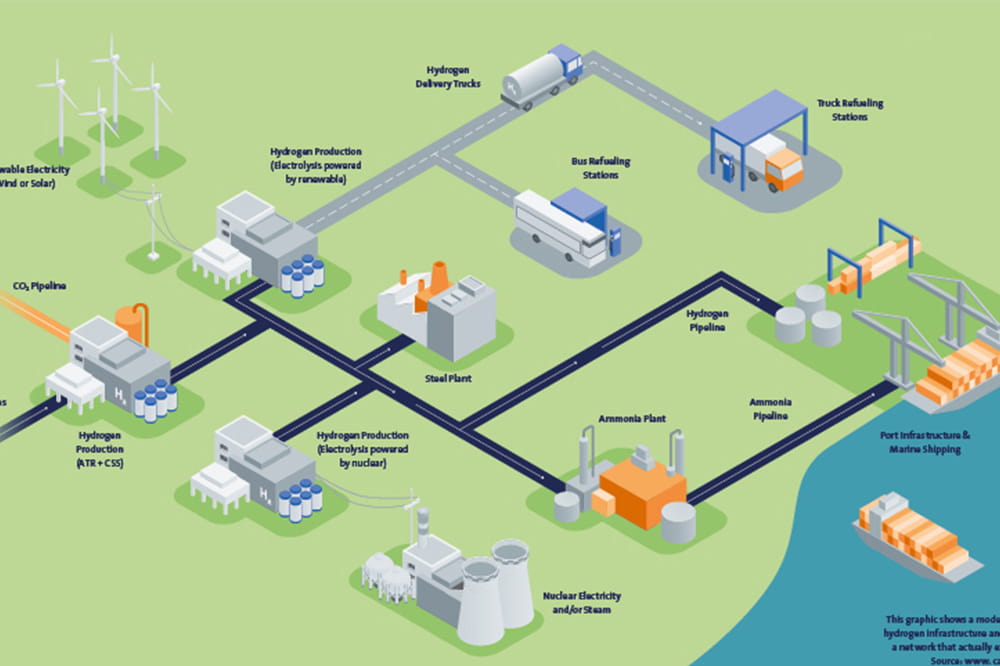
Sealing requirements along the H2 value chain
The requirements for sealing solutions are defined by the media and temperatures involved in hydrogen production and processing, transport, storage, and use.

Renewable Energies
Permeation, Pressure Cycling, RGD: Challenges Seals Have to Cope With
In the podcast “Alles DICHT?!”, Artur Mähne, Global Segment Manager for Hydrogen Technologies in the Energy segment at Freudenberg Sealing Technologies, and podcast host Holger Best, ISGATEC, talk about hydrogen and its value chain.
Renewable Energies
What must seals be capable of in the context of renewable energy?
Seals used in renewable energy generation must withstand extreme environmental conditions and high mechanical stresses.

Join Us!
Experience Freudenberg Sealing Technologies, its products and service offerings in text and videos, network with colleagues and stakeholders, and make valuable business contacts.

 Back to Top