

 Back
Back

Obtain news and background information about sealing technology, get in touch with innovative products – subscribe to the free e-mail newsletter.
16.10.2026 | Press release
Less Iridium, Greater Efficiency: A New Generation of CCMs for PEM Electrolyzers
Weinheim, October 16, 2026. From October 20 to 22, 2026, Freudenberg Sealing Technologies will present a new generation of catalyst-coated membranes (CCMs) for PEM electrolysis at the Hydrogen Technology Expo in Hamburg. The membranes require just 0.5 milligrams of iridium per square centimeter and achieve a cell voltage of 1.74 volts at a current density of 3 amperes per square centimeter. An integrated protection technology also limits hydrogen migration to the oxygen side, thereby enhancing operational safety.




Reducing the Capital and Operating Costs of Electrolysis
Iridium is one of the rarest metals on Earth. Yet no PEM electrolyzer can operate without this precious metal, which serves as a catalyst on the oxygen side of the membrane, where water is split. According to Fraunhofer ISE, one gigawatt of electrolysis capacity requires 25,000 to 35,000 square meters of CCM. At a loading of 0.5 mg/cm², this corresponds to approximately 125 to 175 kilograms of iridium; many commercially available membranes require even more. The loading therefore affects not only capital expenditure (CAPEX); the catalyst structures also have a significant impact on operating expenditure (OPEX), which accounts for approximately 67 percent of the total cost of ownership of hydrogen production.
Low Cell Voltage Reduces Operating Costs
However, using less precious metal is beneficial only if efficiency is maintained. Freudenberg Sealing Technologies has therefore structured the catalyst layers so that the new CCM achieves excellent cell voltages – and thus high efficiency – despite its low iridium content. As a result, the electrolyzer requires less electricity per kilogram of hydrogen, reducing operating expenditure. In accelerated aging tests – which simulate long-term operation in fast-forward – the CCM showed no significant degradation. The membrane therefore already delivers the efficiency customers are seeking for future generations of electrolyzers.
Protection Against Explosive Gas Mixtures
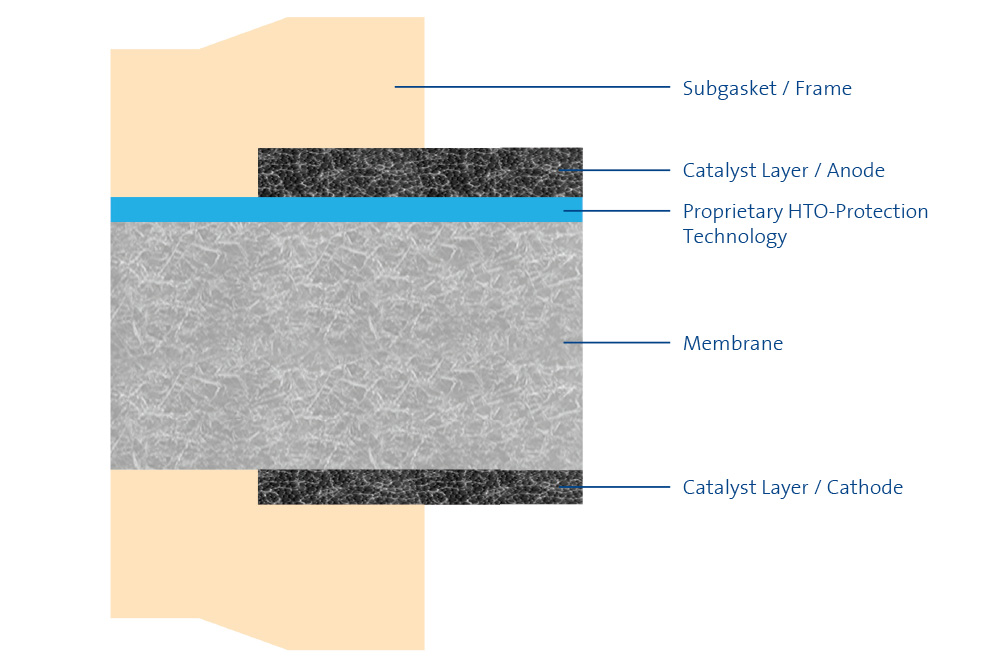
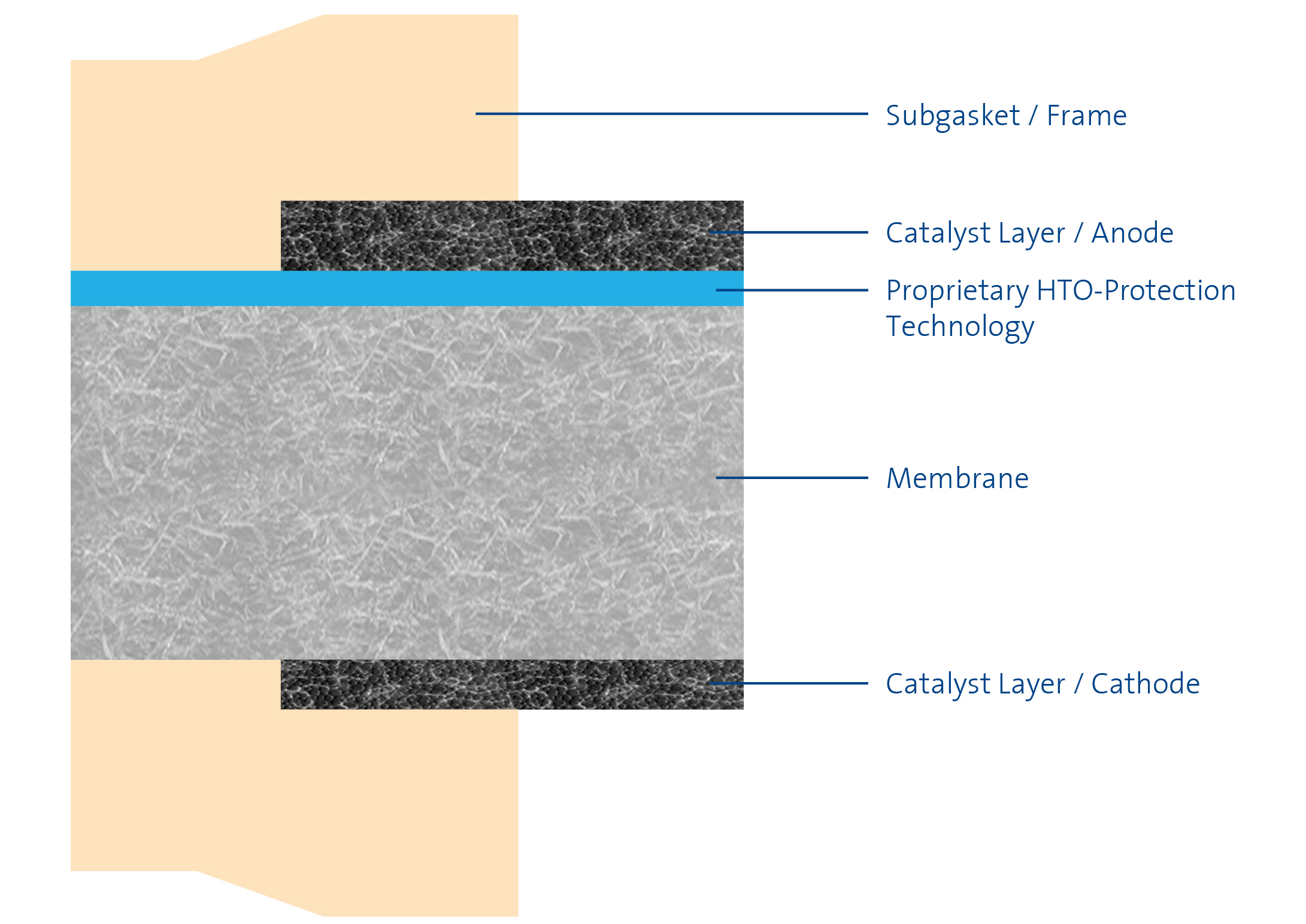
The oxyhydrogen gas reaction that ends with a loud bang in a chemistry class must be prevented at all costs in an electrolyzer. Pressure on the hydrogen side is often up to 30 bar higher than on the oxygen side. As a result, hydrogen can migrate through the membrane, creating an explosive mixture at concentrations of approximately four percent by volume or higher. HTO-Protection, a proprietary safety technology incorporated into all CCMs from Freudenberg Sealing Technologies, limits this migration: at 0.5 A/cm², the hydrogen content in the oxygen is less than 0.25 percent by volume – about one-sixteenth of the lower explosive limit – providing a very high safety margin.
“The cost of precious metals at the purchasing stage and electricity consumption during operation are two key factors in the economic viability of electrolysis. Our new generation of CCMs addresses both, reducing total costs over the electrolyzer’s life cycle without compromising safety,” says Michael Milch, Global Head of New Markets Sales, CCM, at Freudenberg Sealing Technologies.
Variants for Different Stack Configurations
The new generation is available with membrane thicknesses of 50 and 80 micrometers, roughly equivalent to the thickness of a human hair. Thinner membranes enable higher efficiency, while thicker membranes offer a longer service life. The choice depends on the customer’s design philosophy.
Upon request, Freudenberg Sealing Technologies supplies the membranes not only in rolls or sheets, but also as ready-to-install assemblies: laminated or bonded to a frame using a hot-melt process and, if required, equipped with integrated seals made from the company’s own elastomer materials. Combining the assembly with a gas diffusion layer from its sister company, Freudenberg Performance Materials, creates, for example, a membrane electrode assembly (MEA). The frame design must protect the active surface from contamination while simplifying assembly in the stack. The company also offers CCMs and MEAs for PEM fuel cells in trucks, buses, and ships.
Freudenberg Sealing Technologies will showcase the new generation of CCMs at the Freudenberg Group’s joint booth (Hall B6, Booth H10). Company experts will be available to present the test results and advise visitors on customized frame and sealing solutions
For more information, visit our website: CCM for fuel cell and electrolysis
Press Release Downloads
Download Images
JPG | 640 KB
DownloadIsolde Grabenauer
Senior Director Communications & PR
Telephone: +49 (0) 6201 960 7467
Contact via MailMore news on the subject Renewable Energies
Renewable Energies
What you need to know
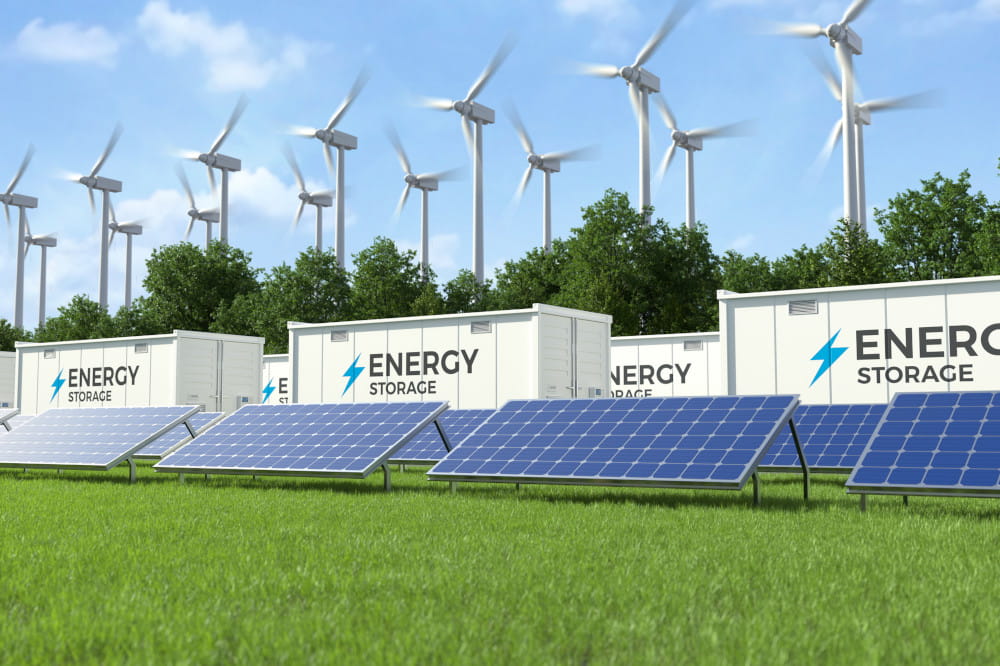
By 2030, 80 percent of the electricity produced in Germany is expected to come from renewable energies. In the “intelligent electricity grids” (smart grids) of the future, energy storage systems are an essential means of absorbing peak loads and ensuring flexibility in terms of space and time. Safety standards are indispensable in this area so that decarbonization can also function across borders. Which legal framework conditions apply where? Here is an overview that does not claim to be exhaustive.
Renewable Energies
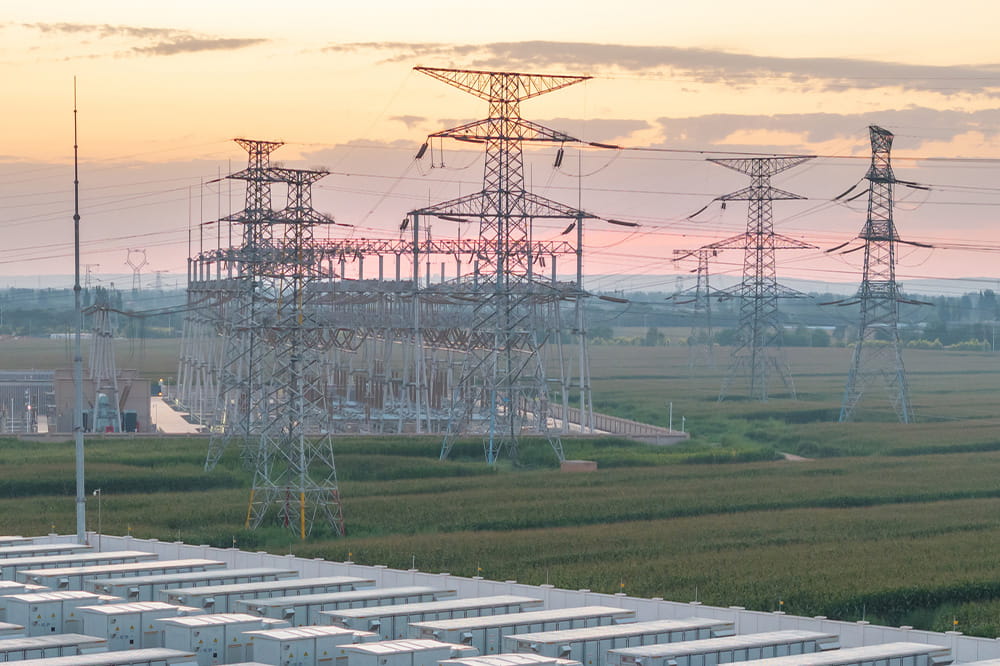
BESS: What are the requirements for seals and safety-relevant components in large-scale battery storage systems?
In the energy mix of the future, battery energy storage systems (BESS) play a key role in decarbonization, grid stability, and sector coupling. But when it comes to tightness, material resistance and service life, which specific requirements characterize the particular environmental conditions of the safety-relevant components needed in this area of renewable energy?
Renewable Energies
What are the requirements for seals in renewable energies?
The hydrogen economy is experiencing rapid growth and is regarded as a key element of the energy transition. This development is being driven by the pres-sure to decarbonize, ensure energy security and meet the growing demand of the industry. At the same time, increasing technical and regulatory requirements are appearing along the entire hydrogen value chain – and seals are safety-critical components in these processes.
Renewable Energies
Standards and Regulations
When it comes to hydrogen technologies, the standards landscape is currently undergoing dynamic development. Many standards are being revised or newly developed at this time. In general, global norms and standardization are essential for the hydrogen economy to ensure the integrity and performance of sealing systems under widely varying pressure and temperature conditions.
Renewable Energies
New production methods for seals in the hydrogen and electrolyzers sector
Experimental curiosity is accelerating the development of forward-looking solutions, especially in the energy sector. This inventive spirit also fuels continuous advancement in materials, manufacturing processes and sealing solutions at Freudenberg Sealing Technologies. Because one thing is clear: Seals are the decisive factors that enable efficiency, safety, and predictable life cycle costs in hydrogen systems. They are the technology drivers that make it possible to achieve the targeted cost and scaling effects.
Renewable Energies
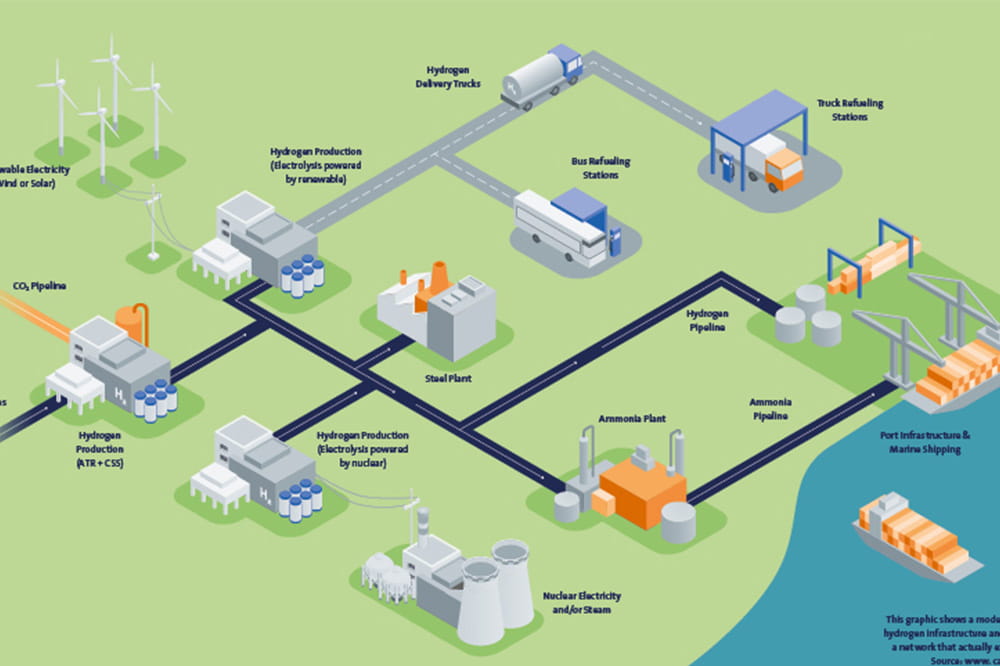
Sealing requirements along the H2 value chain
The requirements for sealing solutions are defined by the media and temperatures involved in hydrogen production and processing, transport, storage, and use.
Renewable Energies
Permeation, Pressure Cycling, RGD: Challenges Seals Have to Cope With
In the podcast “Alles DICHT?!”, Artur Mähne, Global Segment Manager for Hydrogen Technologies in the Energy segment at Freudenberg Sealing Technologies, and podcast host Holger Best, ISGATEC, talk about hydrogen and its value chain.
Renewable Energies
What must seals be capable of in the context of renewable energy?
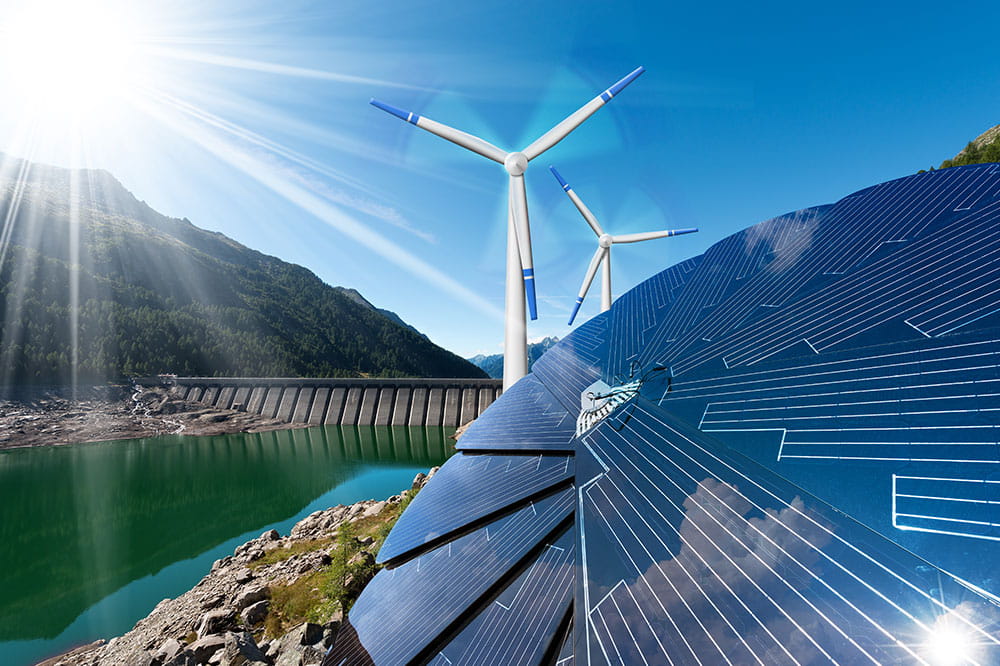
Seals used in renewable energy generation must withstand extreme environmental conditions and high mechanical stresses.
Renewable Energies
Requirements for Seals in Wind Energy
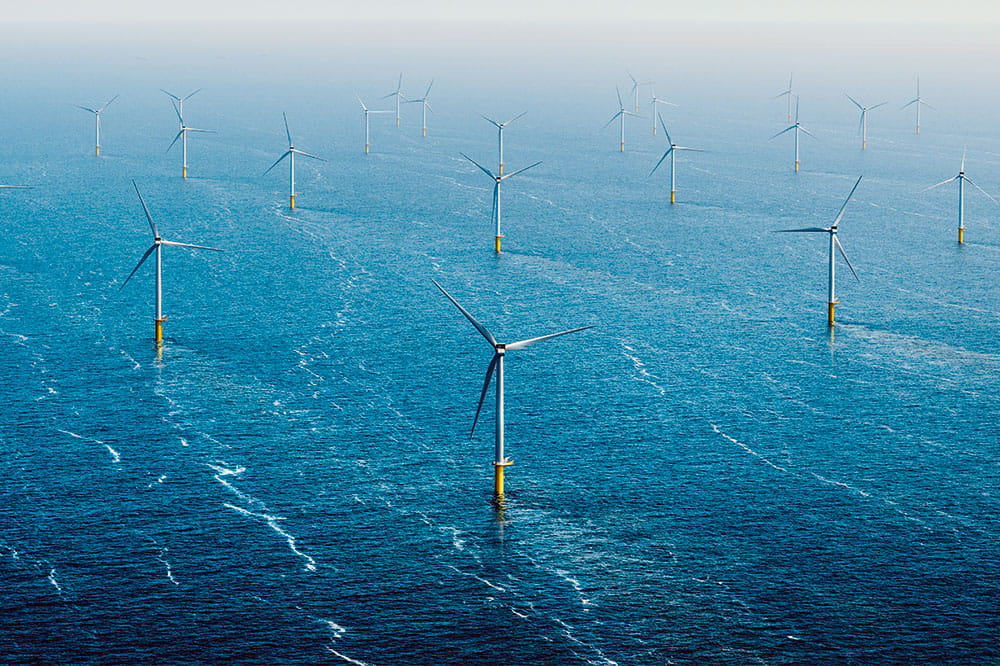
On land and especially at sea, all components installed in wind turbines are exposed to extreme environmental conditions. Leakage prevention, safety and durability are absolutely essential in order to avoid hidden costs and keep maintenance intervals within the scheduled cycles.
First Hand News
Best of all, keep up with the latest developments
with the Freudenberg Sealing Technologies newsletter.

 Back to Top