

 Back
Back

30.06.2026 | Story
What are the requirements for seals in renewable energies?
The hydrogen economy is experiencing rapid growth and is regarded as a key element of the energy transition. This development is being driven by the pres-sure to decarbonize, ensure energy security and meet the growing demand of the industry. At the same time, increasing technical and regulatory requirements are appearing along the entire hydrogen value chain – and seals are safety-critical components in these processes.




Sealing requirements for electrolyzers and hydrogen
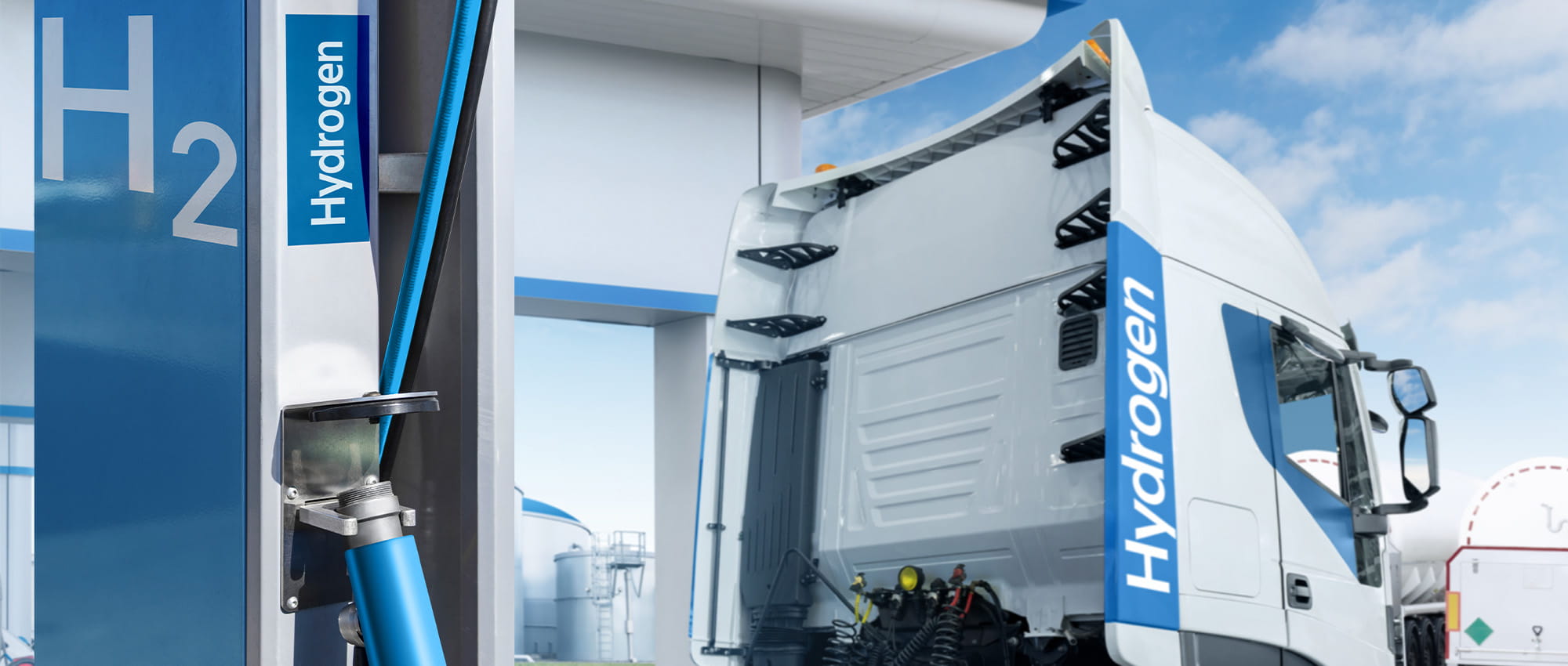
They have to minimize permeation, resist high pressures, withstand explosive decompression (RGD), ensure media and temperature resistance, and provide reliable sealing over long operating periods. This white paper provides a concise overview of the requirements, material and design recommendations, standards, and best practices for H2 sealing solutions – specifically prepared for:
- Electrolysis (PEM, AEM, alkaline, SOEC)
- H2 processing (compression, purification)
- Transport and storage (gas, cryogenic, filling stations)
- Utilization (fuel cell, H2 ICE)
This process-specific information is supplemented by a checklist to assist with seal selection, an expert interview with Artur Mähne, and a comprehensive summary table that covers applications, materials, and designs

Expert Assessment

Marcel Schreiner
Global Segment Director, Energy at Freudenberg Sealing Technologies
“There are enormous demands on seals in the renewable energy sector: They must withstand extreme environmental conditions and high mechanical loads. At the same time, operators of onshore and offshore wind farms, hydropower plants and large-scale photovoltaic systems expect these elastic all-rounders to deliver service lives of 20 years or more.
Freudenberg Sealing Technologies has driven innovation in the global sealing industry for decades. During this time, we learned that knowledge only grows when it is shared. By working closely with our customers in the early stages of technology and system development, we enable material innovations and sealing concepts that are safe, sustainable and compliant with applicable standards.
With this series of white papers, we provide insights into the requirements placed on sealing solutions and present their various capabilities. We show which materials are used where, give industry experts a voice and provide links to further information. Our goal is to support your professional work. We look forward to receiving your feedback so we can expand this series of white papers in line with your needs.
Which electrolysis processes dominate the hydrogen economy?
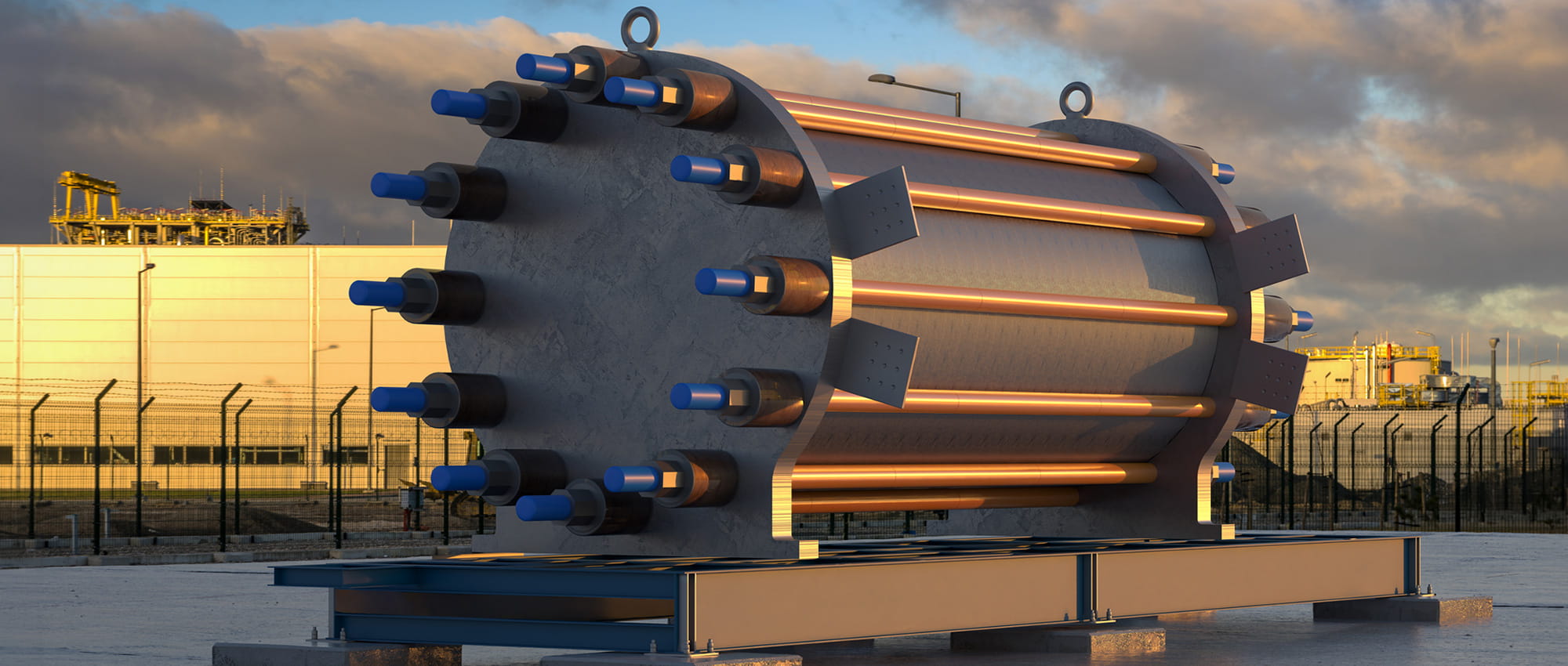
Hydrogen can be produced with various methods. For the sake of completeness, we should mention the conventional processes of steam reforming from natural gas (grey hydrogen) and methane pyrolysis (turquoise hydrogen). However, if the goal is to make a forward-looking contribution to reducing greenhouse gas emissions, the focus for large-scale H2 production is on electrolysis. This method uses electric currents to split water molecules (H2O) into their components: one oxygen molecule (O2) and two hydrogen molecules (H2).
Here is a brief overview of the four most important electrolysis processes today:
Proton exchange membrane electrolysis
PEM electrolysis uses a proton exchange membrane to split water into hydrogen and oxygen. This method exposes the seals in PEM electrolyzers to extreme conditions: they must withstand dynamic loads in an acidic environment under high differential pressures of up to around 35 bar, with even higher stack pressures expected in the future. Purity requirements (ensuring the absence of metal ions) are also critical for optimal sealing performance. The materials used must be resistant to continuous pressure changes and O2 oxidation over a long period to ensure the electrolyzer’s efficiency and durability
Anion exchange membrane electrolysis
AEM electrolysis uses an anion exchange membrane to electrochemically separate water into hydrogen and oxygen. Here the seals operate in an alkaline environment (KOH). The greatest challenges for the seals lie in ensuring long-term stability in a corrosive environment at higher temperatures. One goal in AEM electrolysis is to use inexpensive catalysts free of platinum-group metals (PGM). This, in turn, plays a role in the selection of sealing materials.
Alkaline electrolysis
Alkaline electrolysis (AEL) also uses electric current to split water into hydrogen and oxygen. While AEL is a well-established technology, it places high demands on the seals: AEL seals must be able to resist oxygen pressures of up to 40 bar as well as typical operating temperatures of up to 100 °C. To improve system efficiency, operating temperatures are increasingly being raised to as much as 150 °C. As a result, the materials used must meet stricter requirements for oxygen aging resistance and caustic resistance.
Solid oxide electrolyzer cell electrolysis
A SOEC (solid oxide electrolyzer cell) uses hightemperature electrolysis in a temperature range of 800–1000 °C to split water. This process reduces the decomposition voltage and makes it possible to achieve higher efficiencies than low-temperature methods. It can be used at industrial sites where large volumes of steam are produced at high temperatures. The seals required here also face challenges: The materials and seal designs must withstand the thermal corrosion and relaxation as well as the continuous start-stop cycles.
Other Topics


First Hand News
Best of all, keep up with the latest developments
with the Freudenberg Sealing Technologies newsletter.

 Back to Top