

 Back

Obtain news and background information about sealing technology, get in touch with innovative products – subscribe to the free e-mail newsletter.

03.04.2018 | Story
How to produce Hydrogen from Solar Energy
As a source of renewable energy, hydrogen has the potential to cut CO2 emissions significantly. The use of hydrogen seems especially promising in the energy and transportation sectors. In late November, the world’s largest test facility for producing hydrogen from solar energy went into operation in Almeria in southern Spain.


The Plataforma Solar de Almeria is a sprawling facility at the edge of the Tabernas desert, about 35 km north of Almeria’s downtown. Research on the use of solar energy has been underway here for decades, and a new experimental project was launched at the site in November 2017. Dozens of solar mirrors were installed in uniform rows in front of an enormous tower. By concentrating solar energy, they help produce hydrogen from water vapor. The goal of the scientists – including experts from the German Aerospace Center – and companies from several European countries is to use the gas for industrial purposes.
A Substantially More Powerful System
Thanks to improved materials and the use of a new reactor, the HYDROSOL_Plant project is capable of generating 750 kilowatts. That output is much greater than in the past – the yield was previously just 100 kilowatts. In the current tests, experts are investigating whether the materials used in the system are meeting expectations.
Water Splitting with a Thermochemical Reaction
The materials include nickel ferrite and ceroxide, which play an important role inside the reactor. They serve as so-called redox materials and, as a first step, they ensure that oxygen molecules are released at high temperatures. This is achieved by concentrating sunlight from the numerous solar mirrors on a focal point on the tower. There the redox materials are heated to 1,400°C and chemically reduced, giving off oxygen molecules. That is important for the second step when water vapor is fed through the reactor at 800 to 1,000°C. Once it is reduced, the redox material can absorb the oxygen from the water vapor. The oxygen remains in the reactor while the hydrogen resulting from the water splitting flows out and can be stored.
The Goal: Market Readiness
The HYDROSOL_Plant approach is an important interim step on the way to the efficient production of hydrogen using solar energy. Even though it is just a research project, it is already producing 1 kg of hydrogen per week. That’s enough to propel a fuel cell car 100 km. Over the course of the test, the output is supposed to reach 3 kg per week. Starting with a weekly output of 10 kg, the process could pay off as a stand-alone solution in regions without electricity. The researchers hope to further improve the process over the next ten years, enabling the industrial production of hydrogen. In any case, their ambitious goal is to get the process ready for the market.
More news on the subject Renewable Energies
Renewable Energies
Less Iridium, Greater Efficiency: A New Generation of CCMs for PEM Electrolyzers
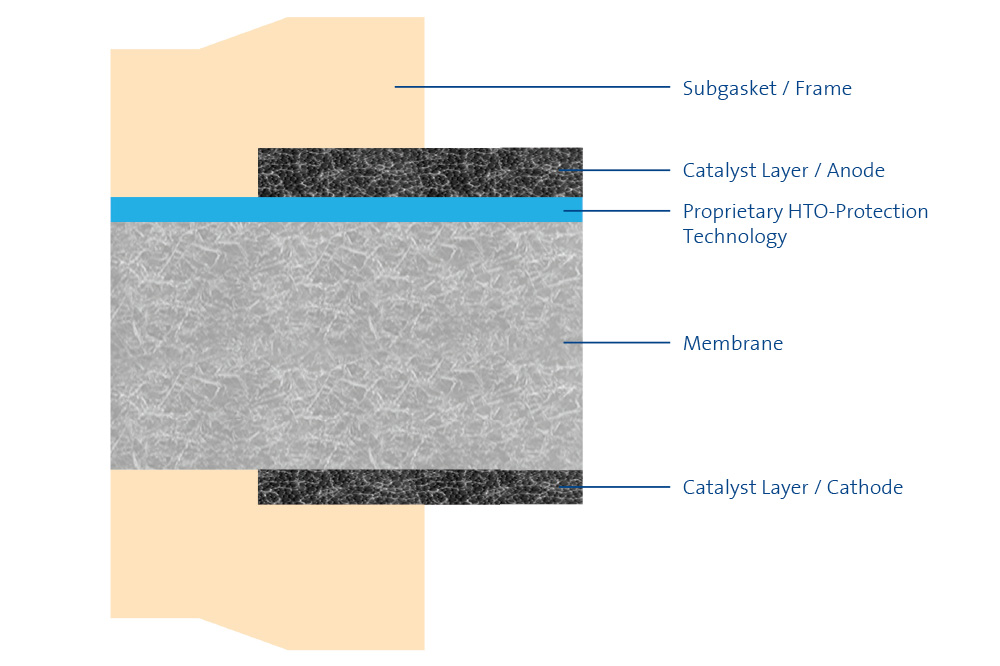
From October 20 to 22, 2026, Freudenberg Sealing Technologies will present a new generation of catalyst-coated membranes (CCMs) for PEM electrolysis at the Hydrogen Technology Expo in Hamburg. The membranes require just 0.5 milligrams of iridium per square centimeter and achieve a cell voltage of 1.74 volts at a current density of 3 amperes per square centimeter. An integrated protection technology also limits hydrogen migration to the oxygen side, thereby enhancing operational safety.
Renewable Energies
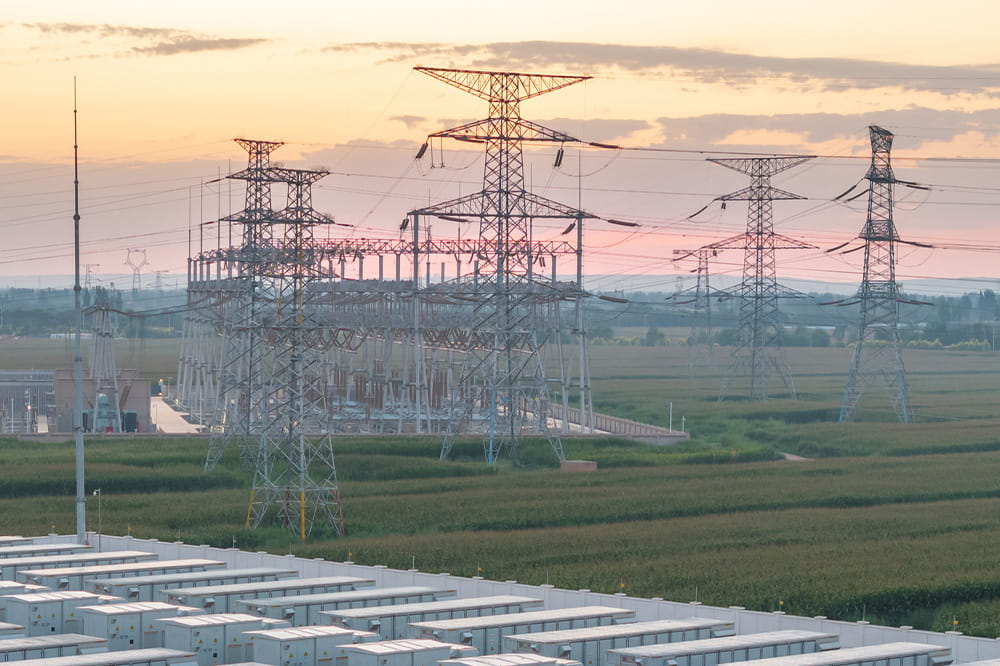
BESS: What are the requirements for seals and safety-relevant components in large-scale battery storage systems?
In the energy mix of the future, battery energy storage systems (BESS) play a key role in decarbonization, grid stability, and sector coupling. But when it comes to tightness, material resistance and service life, which specific requirements characterize the particular environmental conditions of the safety-relevant components needed in this area of renewable energy?
Renewable Energies
What you need to know
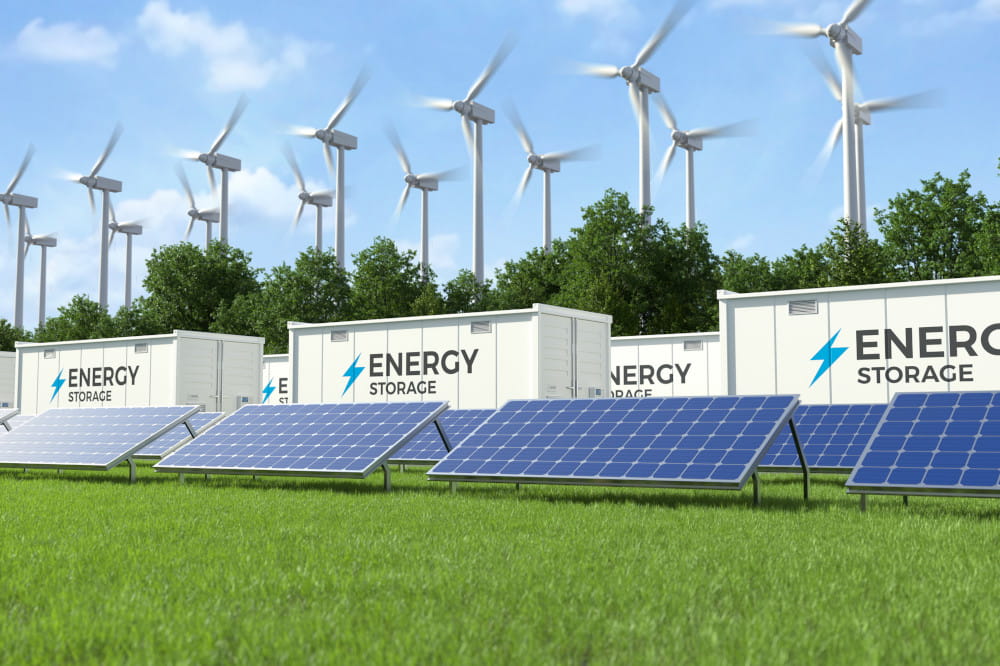
By 2030, 80 percent of the electricity produced in Germany is expected to come from renewable energies. In the “intelligent electricity grids” (smart grids) of the future, energy storage systems are an essential means of absorbing peak loads and ensuring flexibility in terms of space and time. Safety standards are indispensable in this area so that decarbonization can also function across borders. Which legal framework conditions apply where? Here is an overview that does not claim to be exhaustive.
Renewable Energies
What are the requirements for seals in renewable energies?
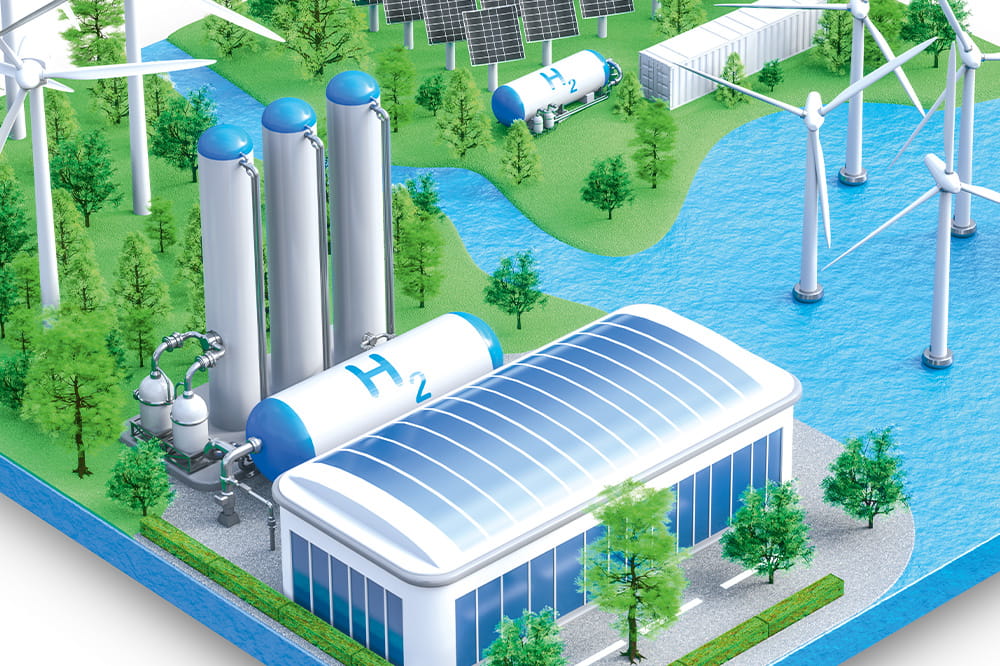
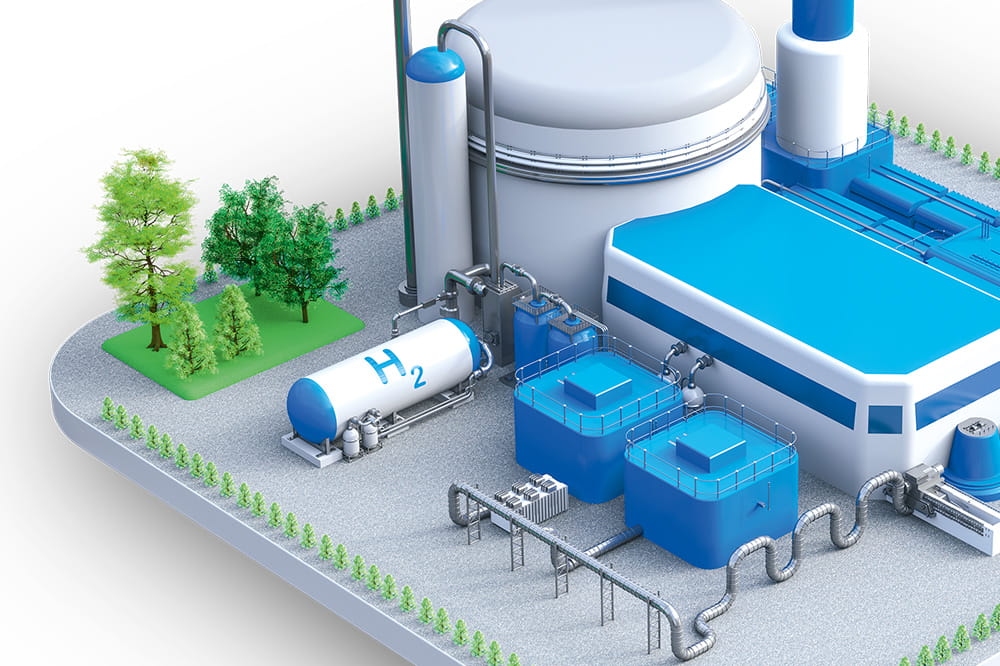
The hydrogen economy is experiencing rapid growth and is regarded as a key element of the energy transition. This development is being driven by the pres-sure to decarbonize, ensure energy security and meet the growing demand of the industry. At the same time, increasing technical and regulatory requirements are appearing along the entire hydrogen value chain – and seals are safety-critical components in these processes.
Renewable Energies
Standards and Regulations
When it comes to hydrogen technologies, the standards landscape is currently undergoing dynamic development. Many standards are being revised or newly developed at this time. In general, global norms and standardization are essential for the hydrogen economy to ensure the integrity and performance of sealing systems under widely varying pressure and temperature conditions.

Renewable Energies
New production methods for seals in the hydrogen and electrolyzers sector
Experimental curiosity is accelerating the development of forward-looking solutions, especially in the energy sector. This inventive spirit also fuels continuous advancement in materials, manufacturing processes and sealing solutions at Freudenberg Sealing Technologies. Because one thing is clear: Seals are the decisive factors that enable efficiency, safety, and predictable life cycle costs in hydrogen systems. They are the technology drivers that make it possible to achieve the targeted cost and scaling effects.
Renewable Energies
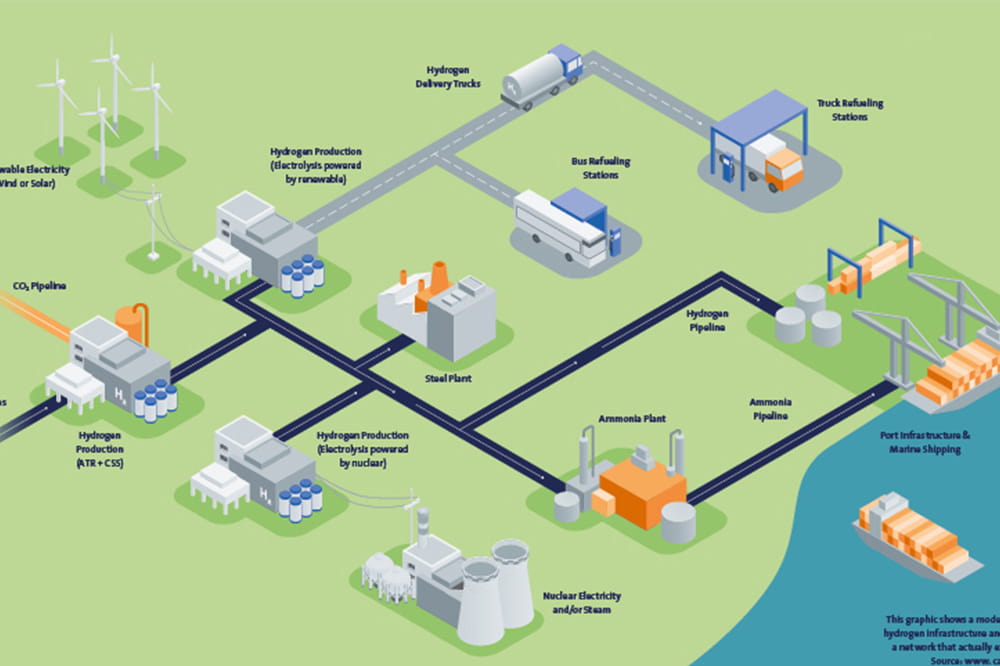
Sealing requirements along the H2 value chain
The requirements for sealing solutions are defined by the media and temperatures involved in hydrogen production and processing, transport, storage, and use.

Renewable Energies
Permeation, Pressure Cycling, RGD: Challenges Seals Have to Cope With
In the podcast “Alles DICHT?!”, Artur Mähne, Global Segment Manager for Hydrogen Technologies in the Energy segment at Freudenberg Sealing Technologies, and podcast host Holger Best, ISGATEC, talk about hydrogen and its value chain.
Renewable Energies
What must seals be capable of in the context of renewable energy?
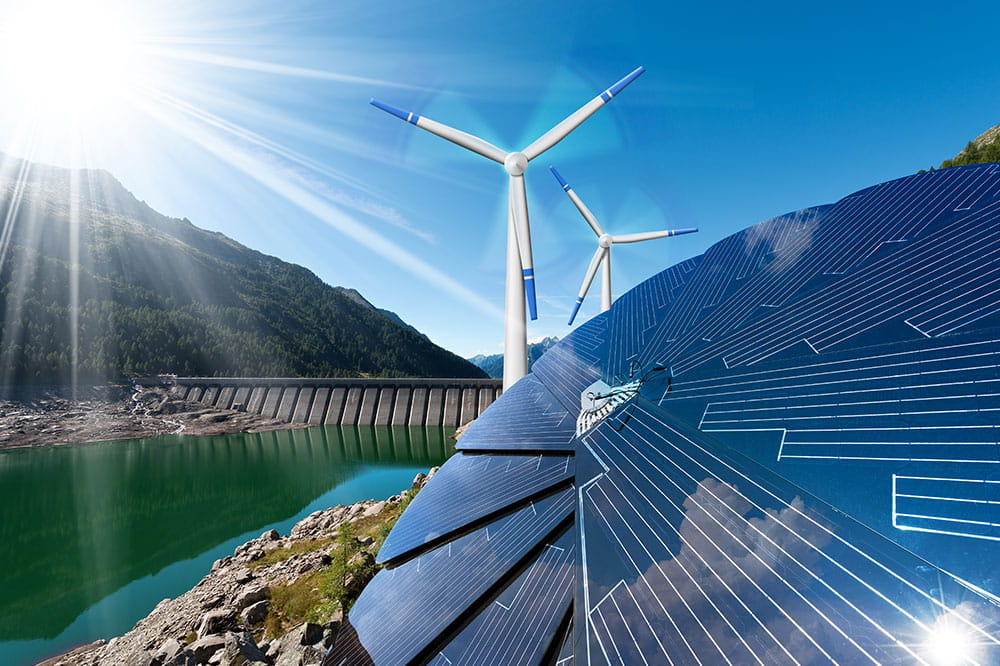
Seals used in renewable energy generation must withstand extreme environmental conditions and high mechanical stresses.

Join Us!
Experience Freudenberg Sealing Technologies, its products and service offerings in text and videos, network with colleagues and stakeholders, and make valuable business contacts.

 Back to Top