

 Back
Back

Obtain news and background information about sealing technology, get in touch with innovative products – subscribe to the free e-mail newsletter.

03.10.2017 | Story
How Electric Power Came from the Sun
The future’s mix of electric power would be inconceivable without solar energy. Some forecasts assume that one-fifth of the electric power on the planet will come from photovoltaics in 2050. A small mishap paved the way for this technology.




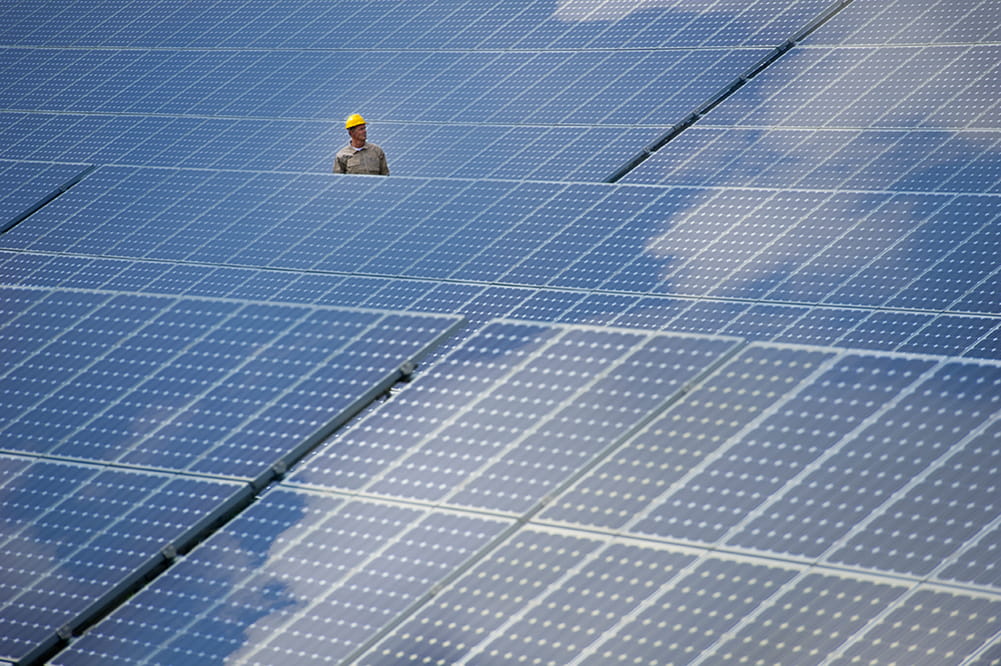
The realization that sunlight can be a source of electricity as well as warmth is 178 years old. In 1839, the French physicist Alexandre Edmond Becquerel noticed that more electric current flowed during daylight than in darkness during experiments with a platinum anode and cathode. But an accidental discovery in 1940 proved to be decisive for the commercial use of solar energy. In his research on silicon, the American physicist Russell Ohl observed an effect that was similar to the one that Becquerel noted 100 years earlier: Electric current flowed under the application of light. But he benefited from a simple fact: his sample had a crack in it. This apparently led to positive charging on one side and negative charging on the other due to contamination with other atoms. As a result, current was able to flow. This positive-negative transfer remains the basis for every silicon solar cell down to the present.
Silicon Contamination as a Recipe for Success
Ohl had made his discovery at the Bell Telephone Laboratories, and it was to prove valuable to other researchers at this institution. One decade after Ohl’s sudden insight, Gerald Pearson, Calvin Fuller and Daryl Chapin were looking for a way to autonomously supply remote telephone facilities with current. They learned that the silicon used in the new transistor technology exhibited the capabilities that Ohl had discovered. In the meantime, it had become clear that silicon contaminated with other elements became more sensitive to light and produced higher voltages. The results were still not satisfactory, so Pearson, Fuller and Chapin experimented with boron and arsenic. They mixed – or doped, in the jargon of the profession – the silicon with traces of the two elements on its upper or lower side and reached energy conversion efficiencies of up to six percent. On that basis, the first silicon solar cell was presented to the world in 1954.
Breakthrough in Space
The new bundle of energy was to prove its worth very quickly – in outer space of all places. NASA equipped its Vanguard I satellite, which was launched in 1958, with 108 solar cells to power a transmitter. They performed the task so reliably that it was still sending out signals six years later. Solar cells have been an important source of energy for satellites, probes and spaceflight down to the present. For a long time, the use of photovoltaics on earth did not pay off due to their enormous production costs. But thanks to the continuous development of the technology, they became an appreciable factor in energy production beginning in the 1990s.
Efficiency Now at More than 26 Percent
In March 2017, Japanese researchers reported the development of a silicon solar cell that exhibited an efficiency of 26.3 percent. Such a high value for the conversion of light energy had never been achieved. The limit is generally put at 29 percent. Silicon solar cells presumably cannot coax a higher share of energy from sunlight. Still, it is an impressive amount when you consider that it was an accident gave the development a boost in the first place.
In the November edition of our customer magazine ESSENTIAL, we present other groundbreaking innovations that owe their success to a stroke of good fortune. Stay tuned for the edition entitled “Awakenings.”
More news on the subject Renewable Energies
Renewable Energies
What you need to know
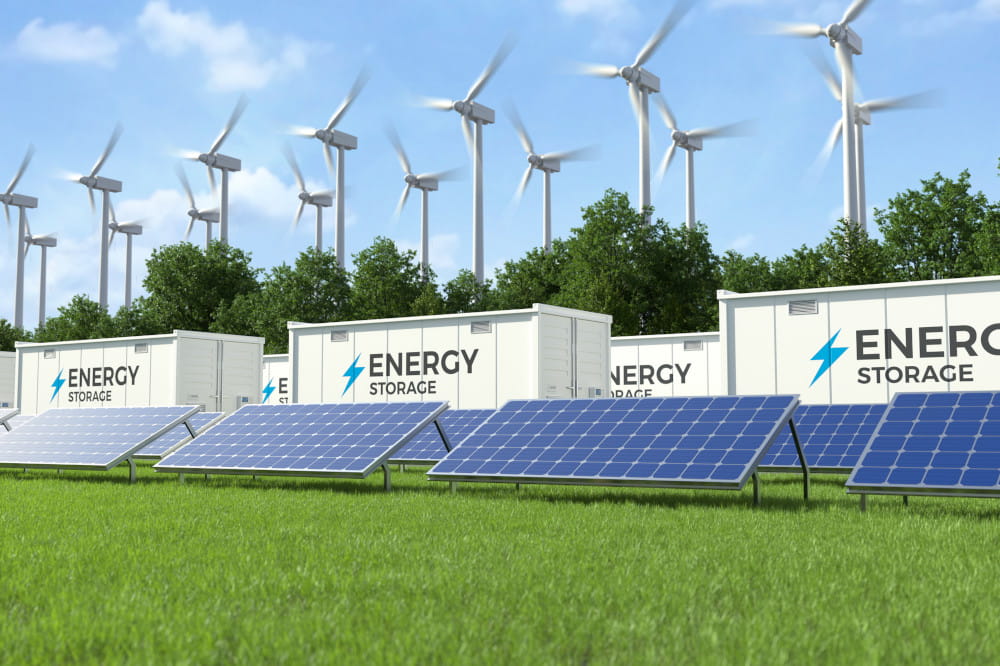
By 2030, 80 percent of the electricity produced in Germany is expected to come from renewable energies. In the “intelligent electricity grids” (smart grids) of the future, energy storage systems are an essential means of absorbing peak loads and ensuring flexibility in terms of space and time. Safety standards are indispensable in this area so that decarbonization can also function across borders. Which legal framework conditions apply where? Here is an overview that does not claim to be exhaustive.
Renewable Energies
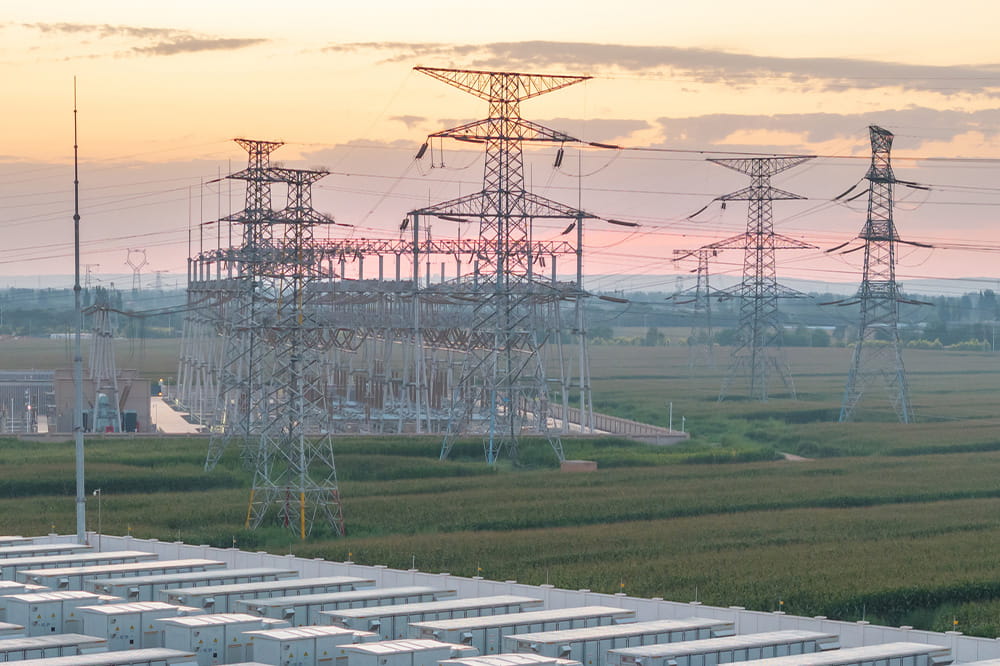
BESS: What are the requirements for seals and safety-relevant components in large-scale battery storage systems?
In the energy mix of the future, battery energy storage systems (BESS) play a key role in decarbonization, grid stability, and sector coupling. But when it comes to tightness, material resistance and service life, which specific requirements characterize the particular environmental conditions of the safety-relevant components needed in this area of renewable energy?
Renewable Energies
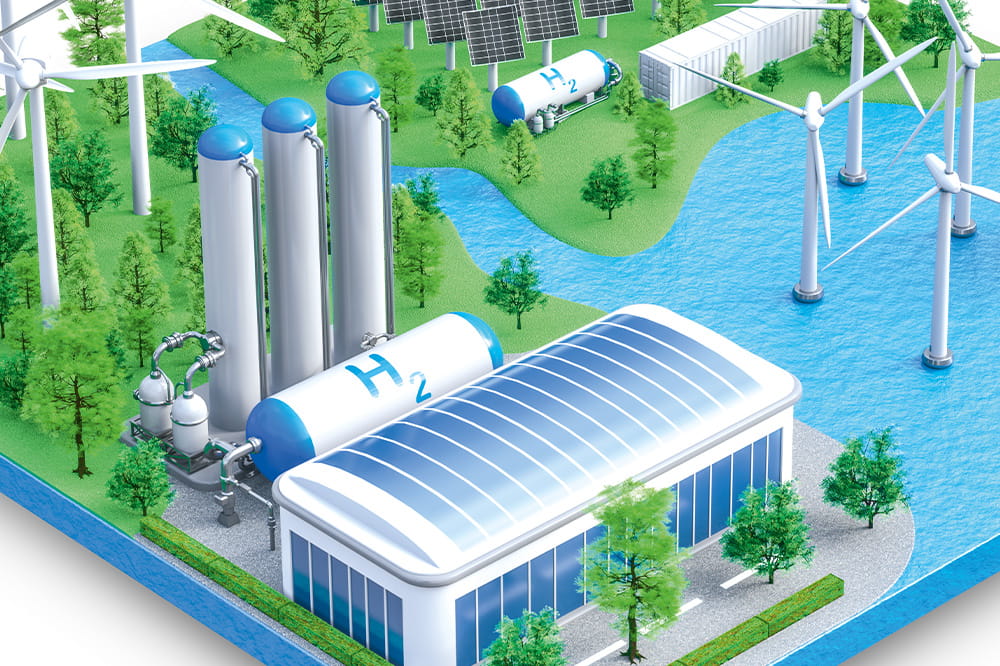
What are the requirements for seals in renewable energies?
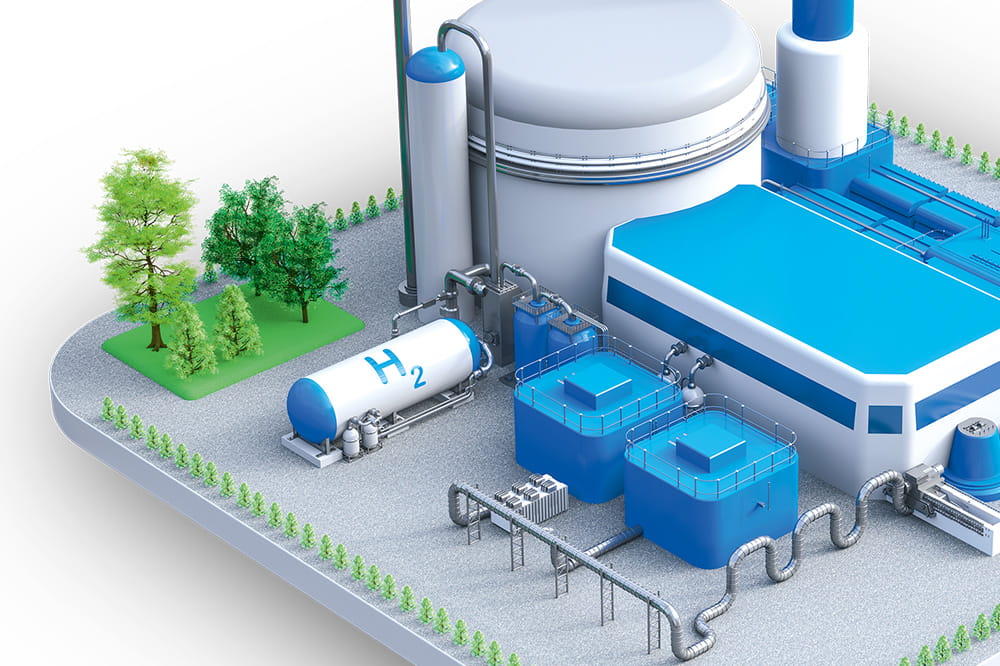
The hydrogen economy is experiencing rapid growth and is regarded as a key element of the energy transition. This development is being driven by the pres-sure to decarbonize, ensure energy security and meet the growing demand of the industry. At the same time, increasing technical and regulatory requirements are appearing along the entire hydrogen value chain – and seals are safety-critical components in these processes.
Renewable Energies
Standards and Regulations
When it comes to hydrogen technologies, the standards landscape is currently undergoing dynamic development. Many standards are being revised or newly developed at this time. In general, global norms and standardization are essential for the hydrogen economy to ensure the integrity and performance of sealing systems under widely varying pressure and temperature conditions.

Renewable Energies
New production methods for seals in the hydrogen and electrolyzers sector
Experimental curiosity is accelerating the development of forward-looking solutions, especially in the energy sector. This inventive spirit also fuels continuous advancement in materials, manufacturing processes and sealing solutions at Freudenberg Sealing Technologies. Because one thing is clear: Seals are the decisive factors that enable efficiency, safety, and predictable life cycle costs in hydrogen systems. They are the technology drivers that make it possible to achieve the targeted cost and scaling effects.
Renewable Energies
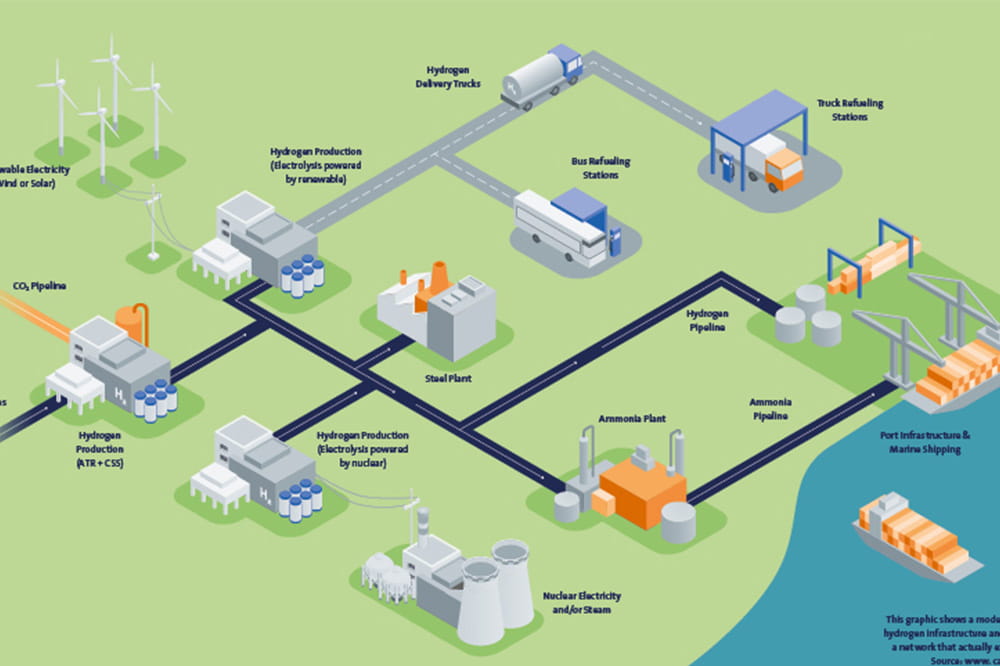
Sealing requirements along the H2 value chain
The requirements for sealing solutions are defined by the media and temperatures involved in hydrogen production and processing, transport, storage, and use.

Renewable Energies
Permeation, Pressure Cycling, RGD: Challenges Seals Have to Cope With
In the podcast “Alles DICHT?!”, Artur Mähne, Global Segment Manager for Hydrogen Technologies in the Energy segment at Freudenberg Sealing Technologies, and podcast host Holger Best, ISGATEC, talk about hydrogen and its value chain.
Renewable Energies
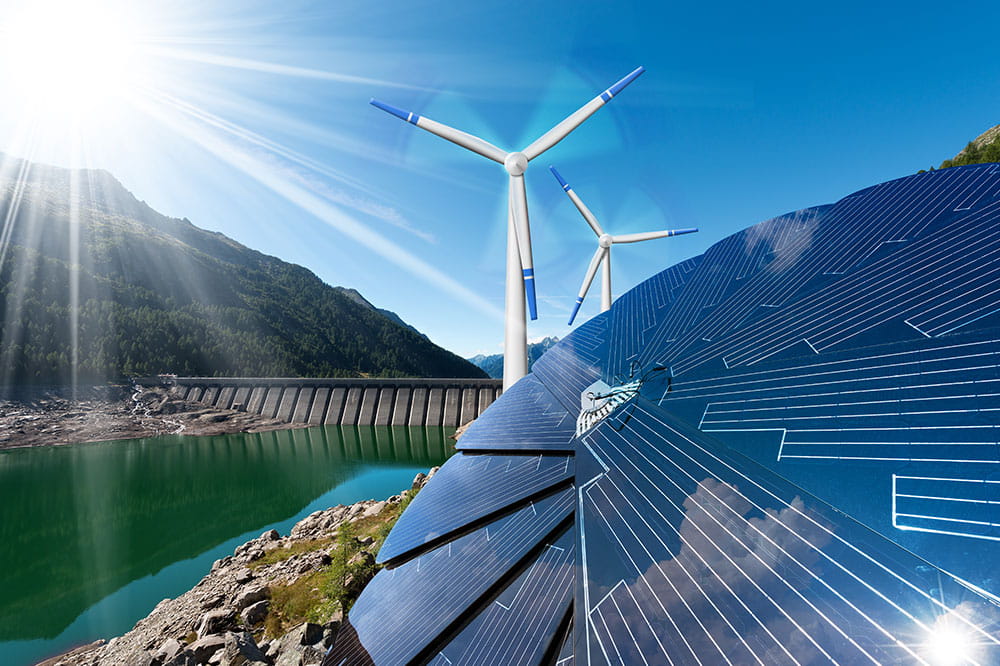
What must seals be capable of in the context of renewable energy?
Seals used in renewable energy generation must withstand extreme environmental conditions and high mechanical stresses.
Renewable Energies
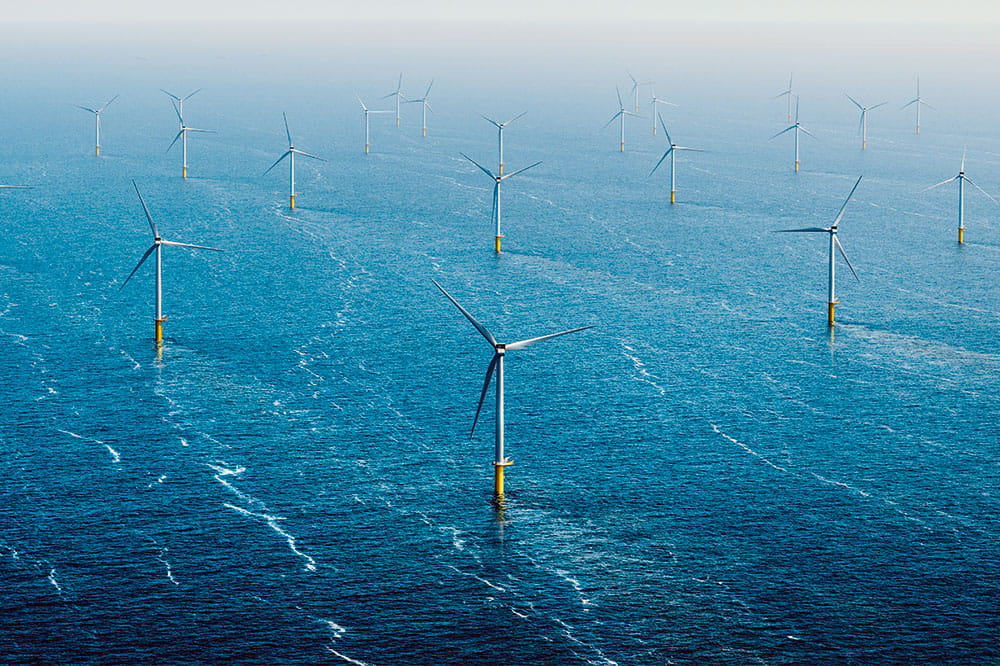
Requirements for Seals in Wind Energy
On land and especially at sea, all components installed in wind turbines are exposed to extreme environmental conditions. Leakage prevention, safety and durability are absolutely essential in order to avoid hidden costs and keep maintenance intervals within the scheduled cycles.

Join Us!
Experience Freudenberg Sealing Technologies, its products and service offerings in text and videos, network with colleagues and stakeholders, and make valuable business contacts.

 Back to Top