

 Back
Back

Obtain news and background information about sealing technology, get in touch with innovative products – subscribe to the free e-mail newsletter.
13.03.2018 | Story
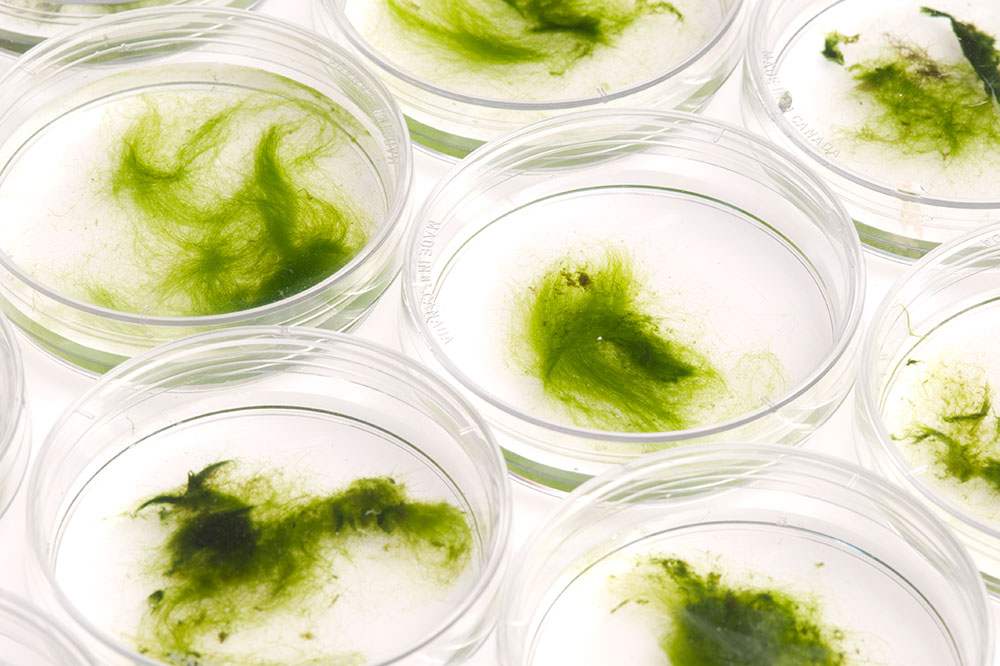
Algae as an Energy Source
The availability of energy is taken for granted in many countries. But the situation is very different in the rural areas of developing nations. Biological solar cells based on algae are raising the prospect of a solution.




Algae generally do not have the best reputation. But they have enormous practical potential. For example, they contain omega fatty acids, which is of interest to the food industry. The ingredients of algae have long been well-established in cosmetics and personal hygiene products. The toxins contained in them also have potential uses in the fight against diseases. And a diesel substitute can be extracted from these oil-rich organisms.
A Genetic Change Increases Efficiency
In January, researchers at the University of Cambridge pointed to an additional use for algae: It can be used to convert solar energy into electric current. The principle, which is based on photosynthesis, was well-known. But the scientists succeeded in greatly increasing the efficiency of the conversion. They did this by genetically altering the algae and developing a novel biological solar cell based on it. During photosynthesis, algae produce electrons, which they normally use themselves. The researchers have now changed the algae so they only use a portion of the electrons they generate, and the rest can be tapped for electric current. In a second step, they developed two-chamber bio-solar cells that use the algae. In the first chamber, solar radiation induces the algae to produce electrons. The conversion to electric current takes place in the second chamber. Until now, both processes occurred in a single chamber. In the two-chamber system, they function better and can deliver more output. The system offers another advantage: The energy can be stored, and even used at night.
Alternative for Developing Countries
The two-chamber system based on genetically altered algae achieves a power density of 0.5 watts per square meter. That is five times the amount attained to this point. But that output doesn’t hold up well in comparisons with a silicon solar cell. The researchers are aware that their solution will not be part of a modern electrical grid. Still, it is being considered as a source of electricity for rural regions without an electrical grid in sunny developing countries.
The focus is on renewable energy at Freudenberg Sealing Technologies. Without it, modern society’s energy needs cannot be managed. Would you like to learn more?
More news on the subject Renewable Energies
Renewable Energies
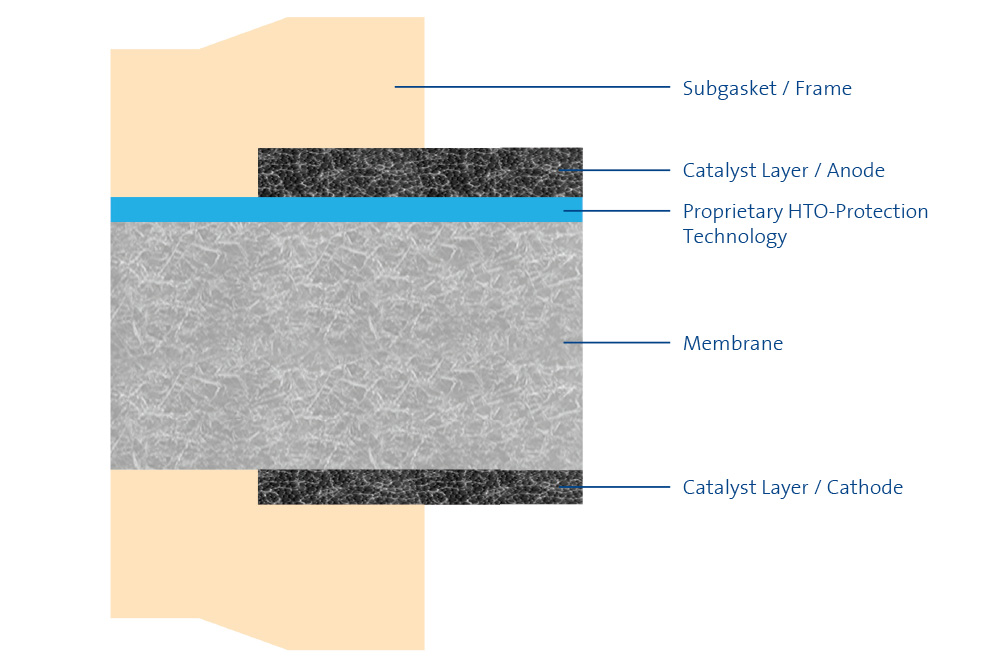
Less Iridium, Greater Efficiency: A New Generation of CCMs for PEM Electrolyzers
From October 20 to 22, 2026, Freudenberg Sealing Technologies will present a new generation of catalyst-coated membranes (CCMs) for PEM electrolysis at the Hydrogen Technology Expo in Hamburg. The membranes require just 0.5 milligrams of iridium per square centimeter and achieve a cell voltage of 1.74 volts at a current density of 3 amperes per square centimeter. An integrated protection technology also limits hydrogen migration to the oxygen side, thereby enhancing operational safety.
Renewable Energies
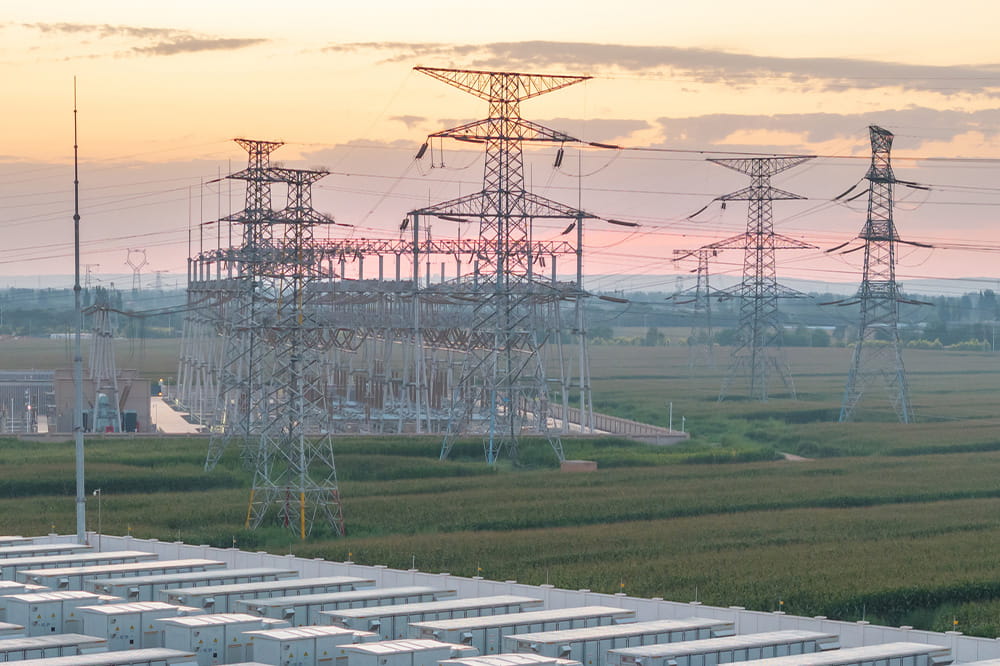
BESS: What are the requirements for seals and safety-relevant components in large-scale battery storage systems?
In the energy mix of the future, battery energy storage systems (BESS) play a key role in decarbonization, grid stability, and sector coupling. But when it comes to tightness, material resistance and service life, which specific requirements characterize the particular environmental conditions of the safety-relevant components needed in this area of renewable energy?
Renewable Energies
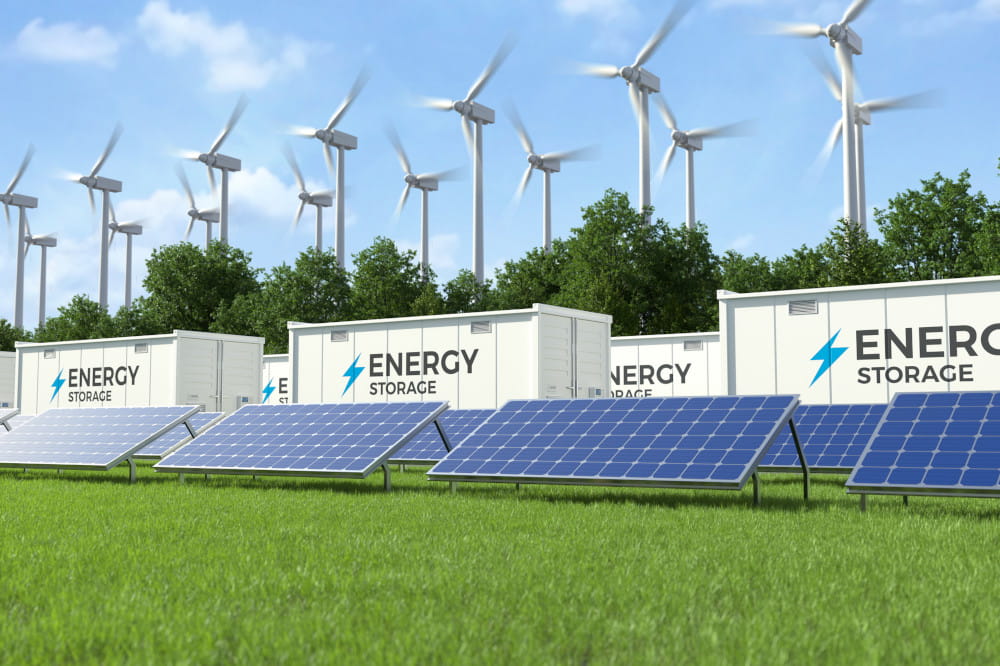
What you need to know
By 2030, 80 percent of the electricity produced in Germany is expected to come from renewable energies. In the “intelligent electricity grids” (smart grids) of the future, energy storage systems are an essential means of absorbing peak loads and ensuring flexibility in terms of space and time. Safety standards are indispensable in this area so that decarbonization can also function across borders. Which legal framework conditions apply where? Here is an overview that does not claim to be exhaustive.
Renewable Energies
What are the requirements for seals in renewable energies?
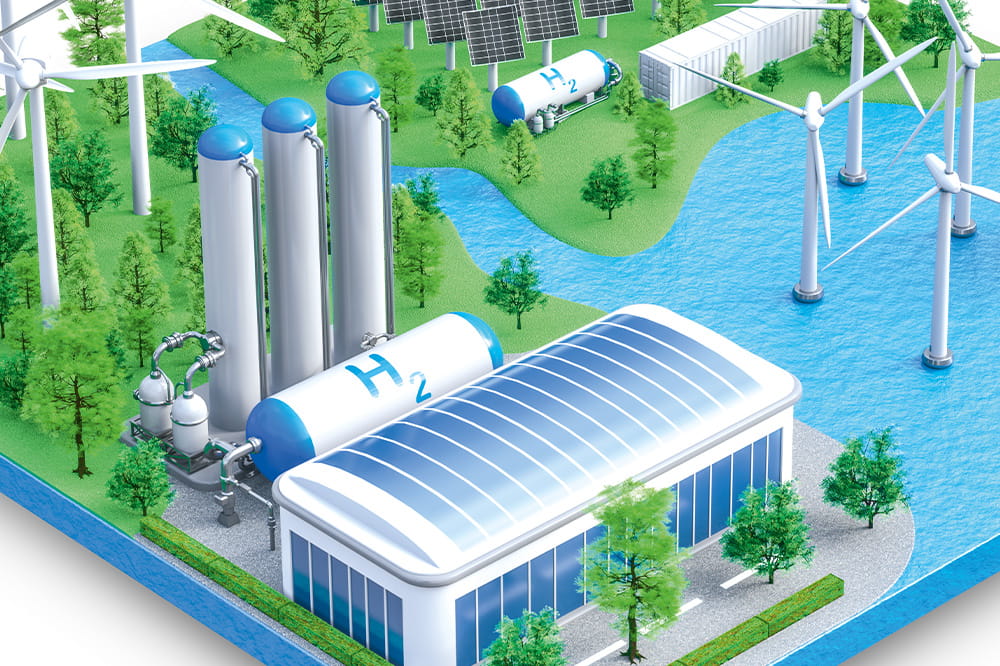
The hydrogen economy is experiencing rapid growth and is regarded as a key element of the energy transition. This development is being driven by the pres-sure to decarbonize, ensure energy security and meet the growing demand of the industry. At the same time, increasing technical and regulatory requirements are appearing along the entire hydrogen value chain – and seals are safety-critical components in these processes.
Renewable Energies
Standards and Regulations
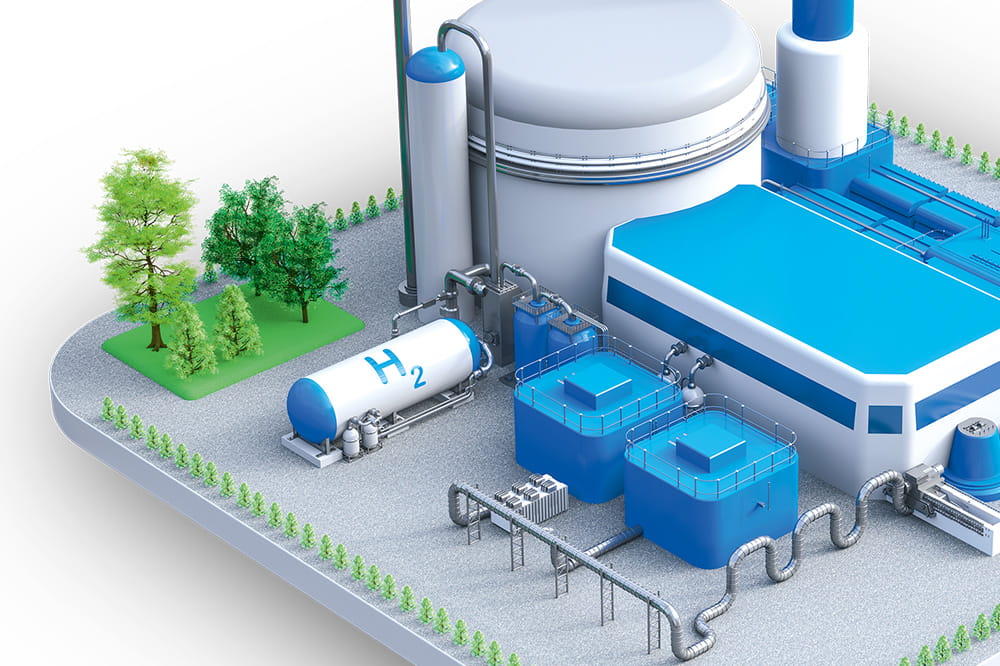
When it comes to hydrogen technologies, the standards landscape is currently undergoing dynamic development. Many standards are being revised or newly developed at this time. In general, global norms and standardization are essential for the hydrogen economy to ensure the integrity and performance of sealing systems under widely varying pressure and temperature conditions.
Renewable Energies
New production methods for seals in the hydrogen and electrolyzers sector
Experimental curiosity is accelerating the development of forward-looking solutions, especially in the energy sector. This inventive spirit also fuels continuous advancement in materials, manufacturing processes and sealing solutions at Freudenberg Sealing Technologies. Because one thing is clear: Seals are the decisive factors that enable efficiency, safety, and predictable life cycle costs in hydrogen systems. They are the technology drivers that make it possible to achieve the targeted cost and scaling effects.
Renewable Energies
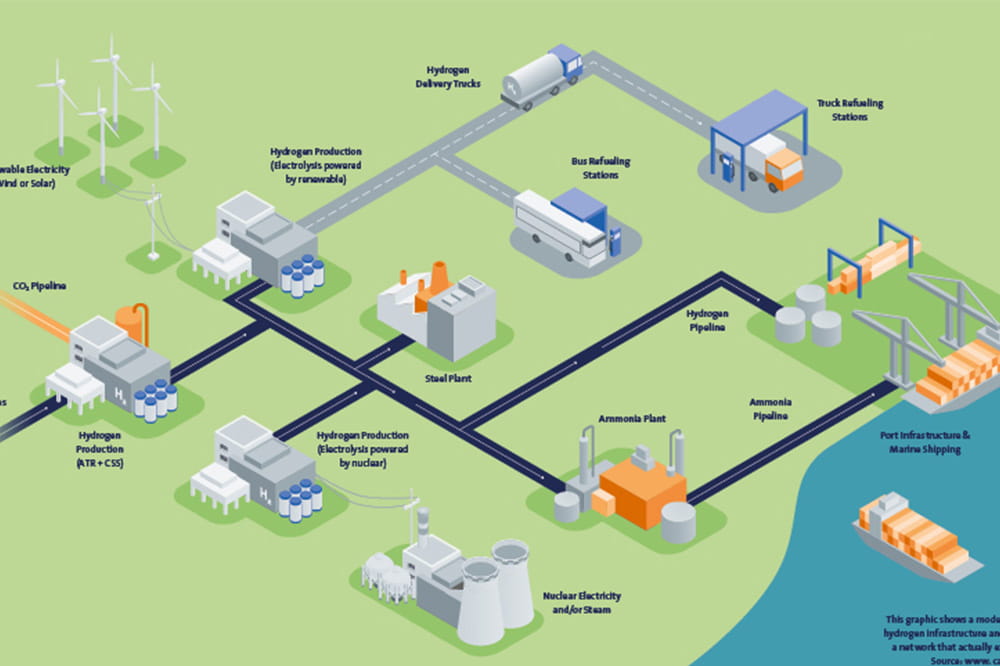
Sealing requirements along the H2 value chain
The requirements for sealing solutions are defined by the media and temperatures involved in hydrogen production and processing, transport, storage, and use.
Renewable Energies
Permeation, Pressure Cycling, RGD: Challenges Seals Have to Cope With
In the podcast “Alles DICHT?!”, Artur Mähne, Global Segment Manager for Hydrogen Technologies in the Energy segment at Freudenberg Sealing Technologies, and podcast host Holger Best, ISGATEC, talk about hydrogen and its value chain.
Renewable Energies
What must seals be capable of in the context of renewable energy?
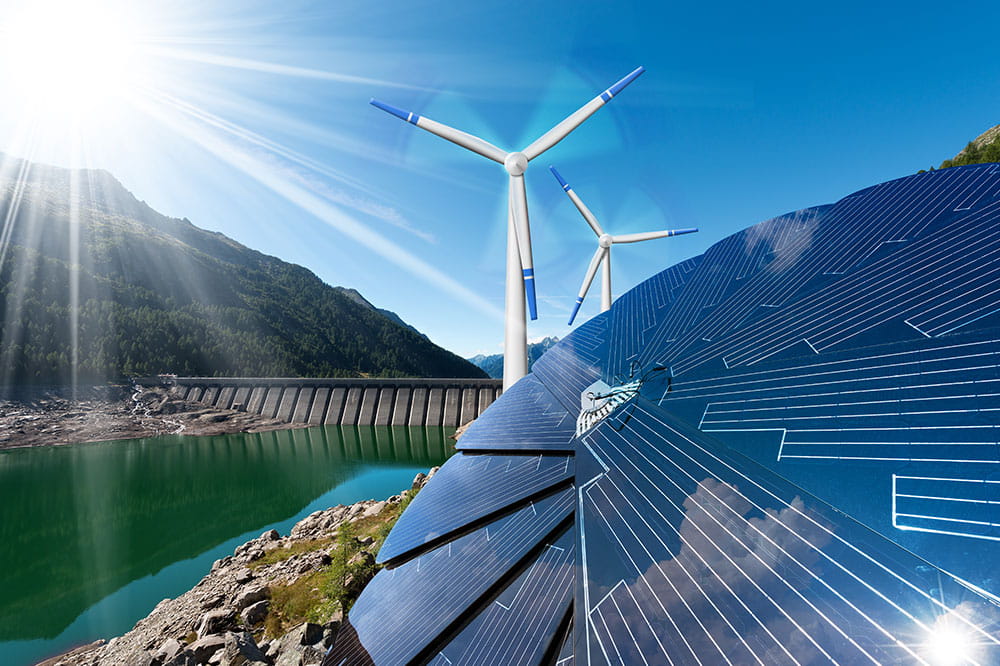
Seals used in renewable energy generation must withstand extreme environmental conditions and high mechanical stresses.

Join Us!
Experience Freudenberg Sealing Technologies, its products and service offerings in text and videos, network with colleagues and stakeholders, and make valuable business contacts.

 Back to Top