

 Back
Back


Ingress Protection for Robotic Joints
Protect Robotic Systems from Dust, Dirt, and Water Ingress
Discover how IPSR helps cobots, humanoid robots, AGVs, and other robotic systems achieve reliable ingress protection while maintaining low and consistent friction.
Robotic systems are increasingly operating in demanding environments where dust, dirt, moisture, and water ingress can compromise performance and reliability. Freudenberg Sealing Technologies developed IPSR® (Ingress Protection Seal for Robotics) to help manufacturers protect dynamic robotic joints while maintaining the low and consistent friction required for efficient operation. IPSR solutions are custom engineered to meet the unique requirements of each application.
The Challenge of Protecting Robotic Joints
Modern robotic systems are expected to operate reliably in increasingly challenging environments. Whether deployed in manufacturing facilities, warehouses, outdoor applications, or cleanroom environments, robotic joints must remain protected from contaminants that can impact performance and longevity.
Unlike traditional sealing applications, robotic joints experience continuous radial and axial movement while operating within extremely limited installation space. At the same time, seals must provide reliable environmental protection without creating excessive friction that could negatively impact robotic performance.
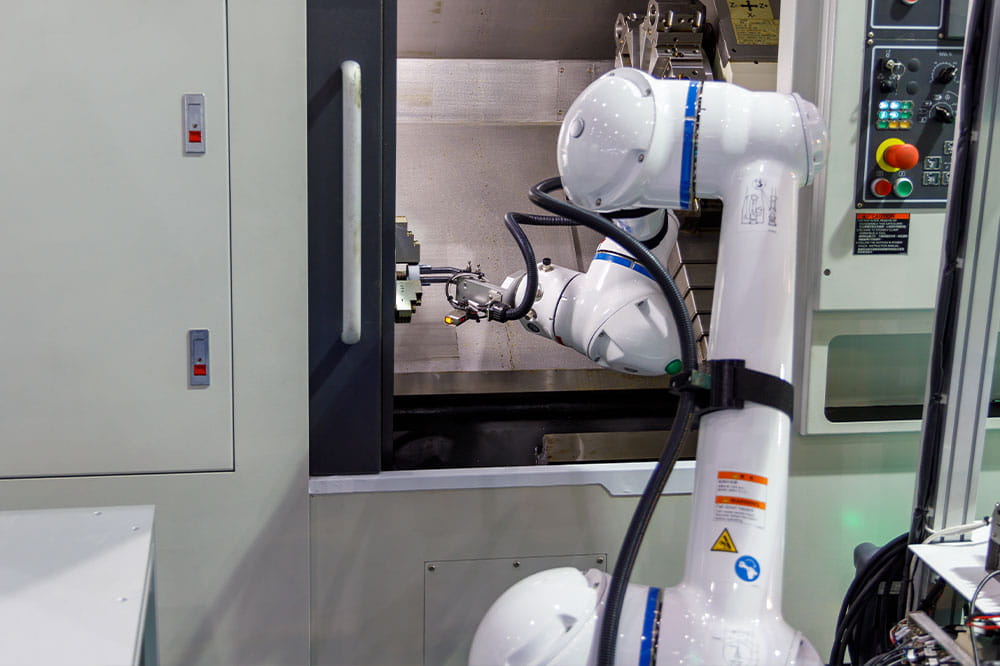
Common challenges include:
- Dust and dirt ingress
- Water and moisture exposure
- Dynamic joint movement
- Limited installation space
- Friction torque requirements
- Poor lubrication conditions
- Cleanroom contamination concerns
- Long-term durability requirements
IPSR: Engineered for Demanding Robotics Applications
IPSR solutions are specifically designed for robotic joints where reliable ingress protection and optimized performance must work together.
Each IPSR seal is developed around the specific requirements of the application, including installation space, motion profiles, operating loads, environmental conditions, temperature exposure, humidity, and media contact. High-performance materials combined with adaptive sealing geometry help provide reliable protection while maintaining low and consistent friction.
Key advantages include:
- Reliable protection against dust, dirt, and water ingress
- Low and consistent friction for efficient robotic movement
- Compact designs for limited installation space
- Secure sealing during radial and axial movement
- Optimized performance through simulation-based engineering
- Long service life through robust materials and surface design
- Application-specific customization
- Validation through testing and performance analysis
 Back to Top